Labrador Straits - 400 km - 3 days
August 3rd to 6th were spent travelling to Red Bay, L’Anse Amour, Blanc Sablon and the eastern of Quebec’s Cote Nord.
Red Bay
Our first stop in the Labrador Straits was Red Bay:
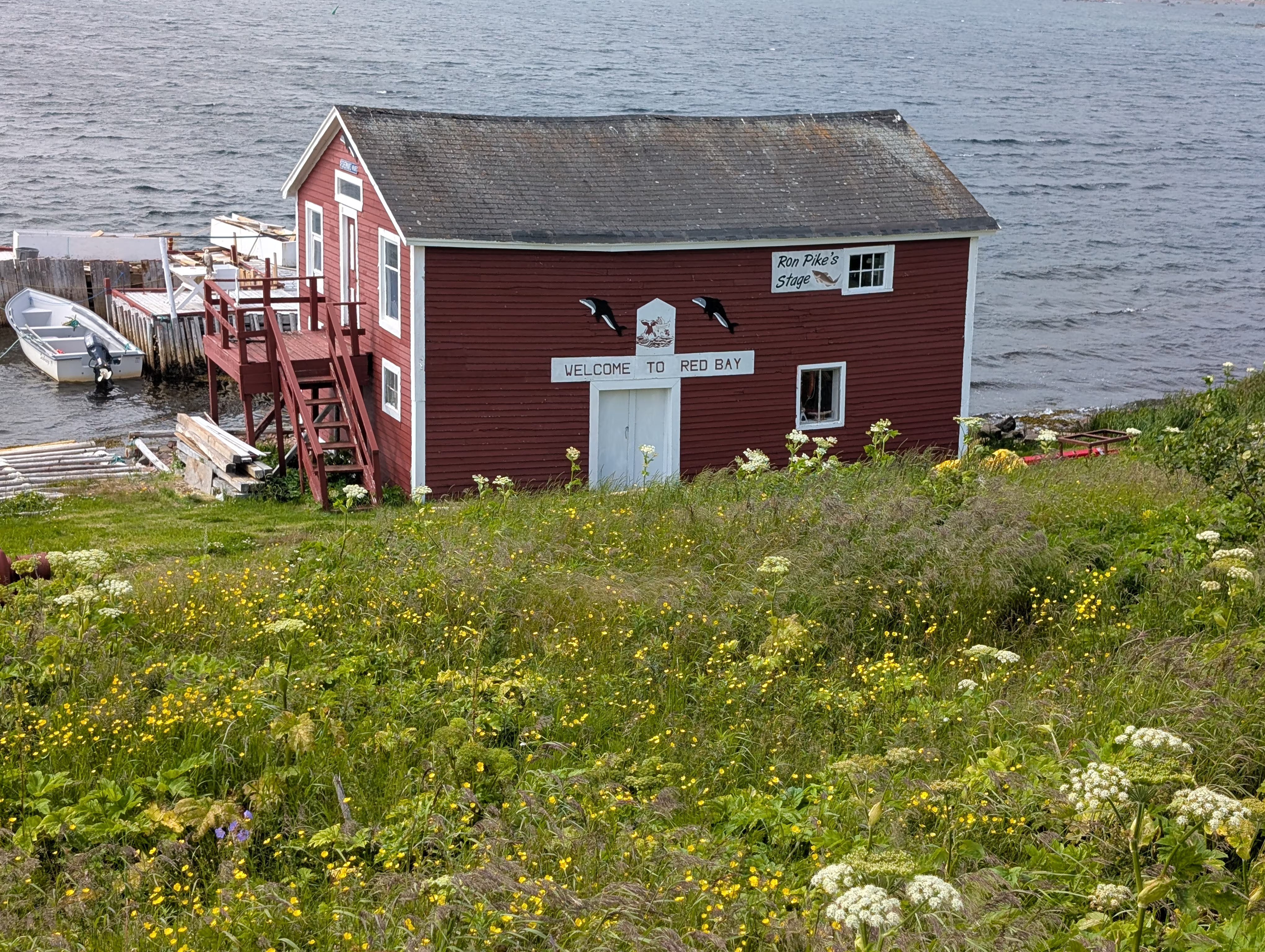
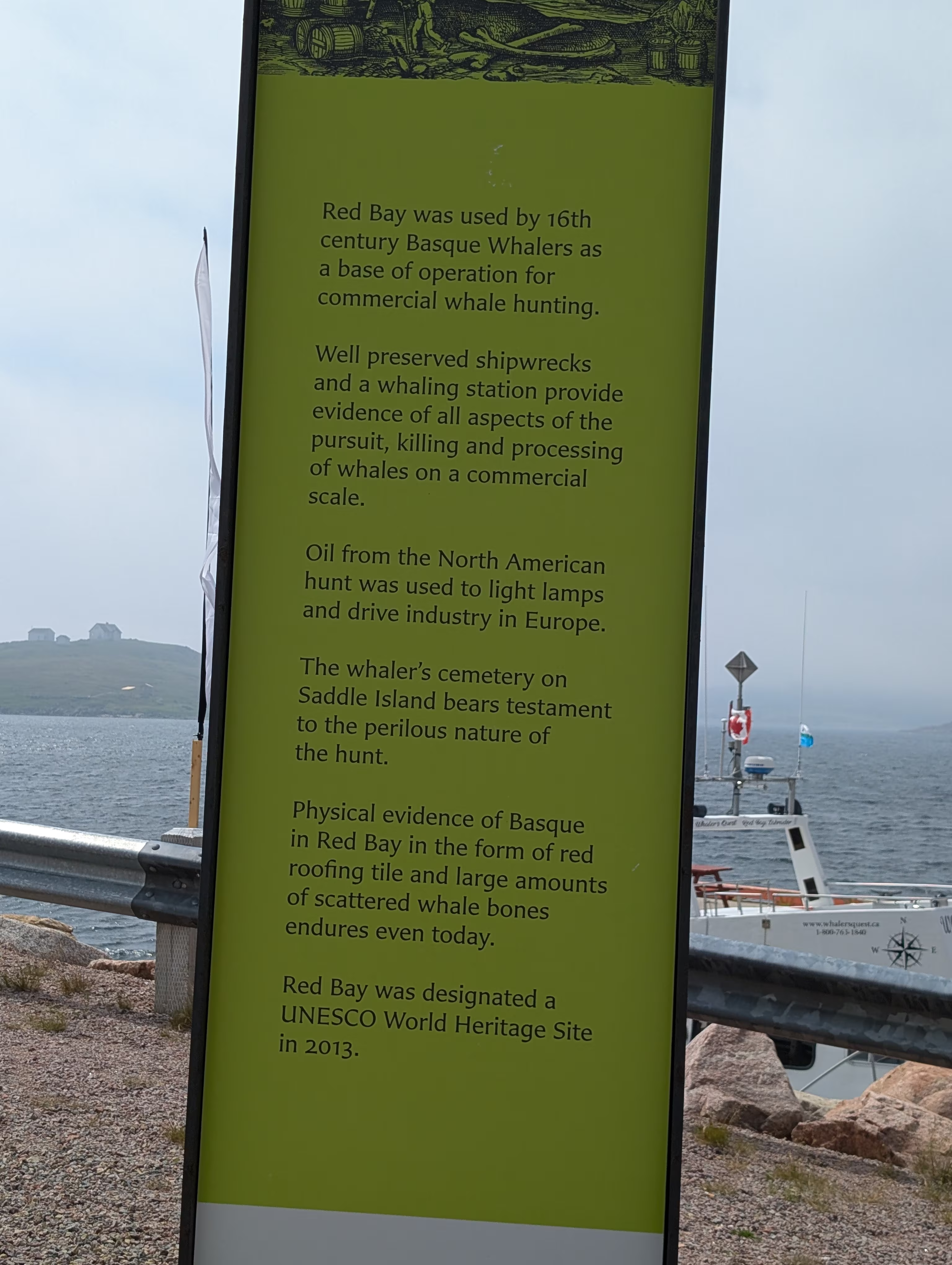
However, we overnighted across the bay from the town itself in the parking lot for the Tracy Hill trailhead which made it easy to start Sunday morning with a hike up the hill:
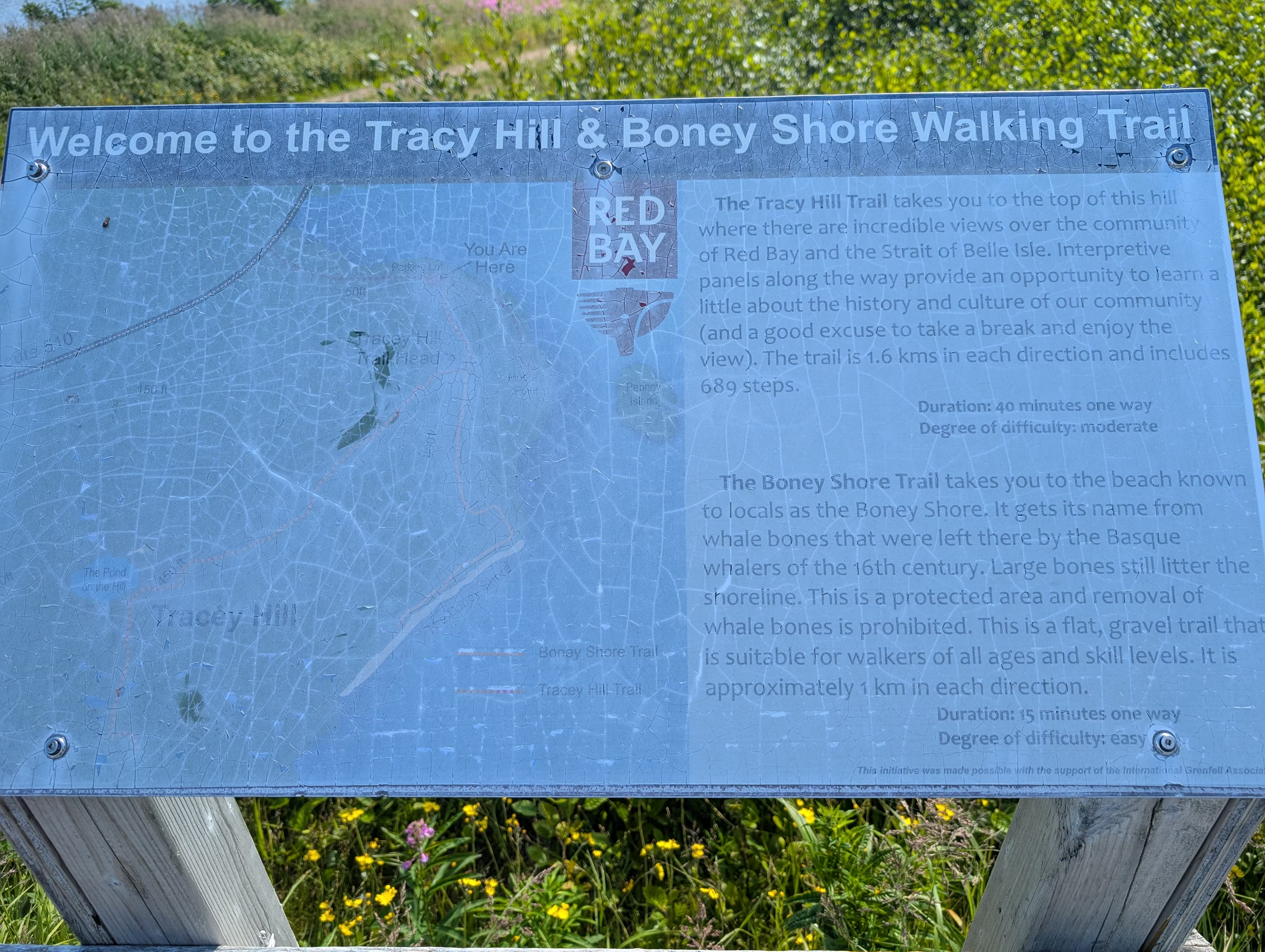
which culminates in the American Man:
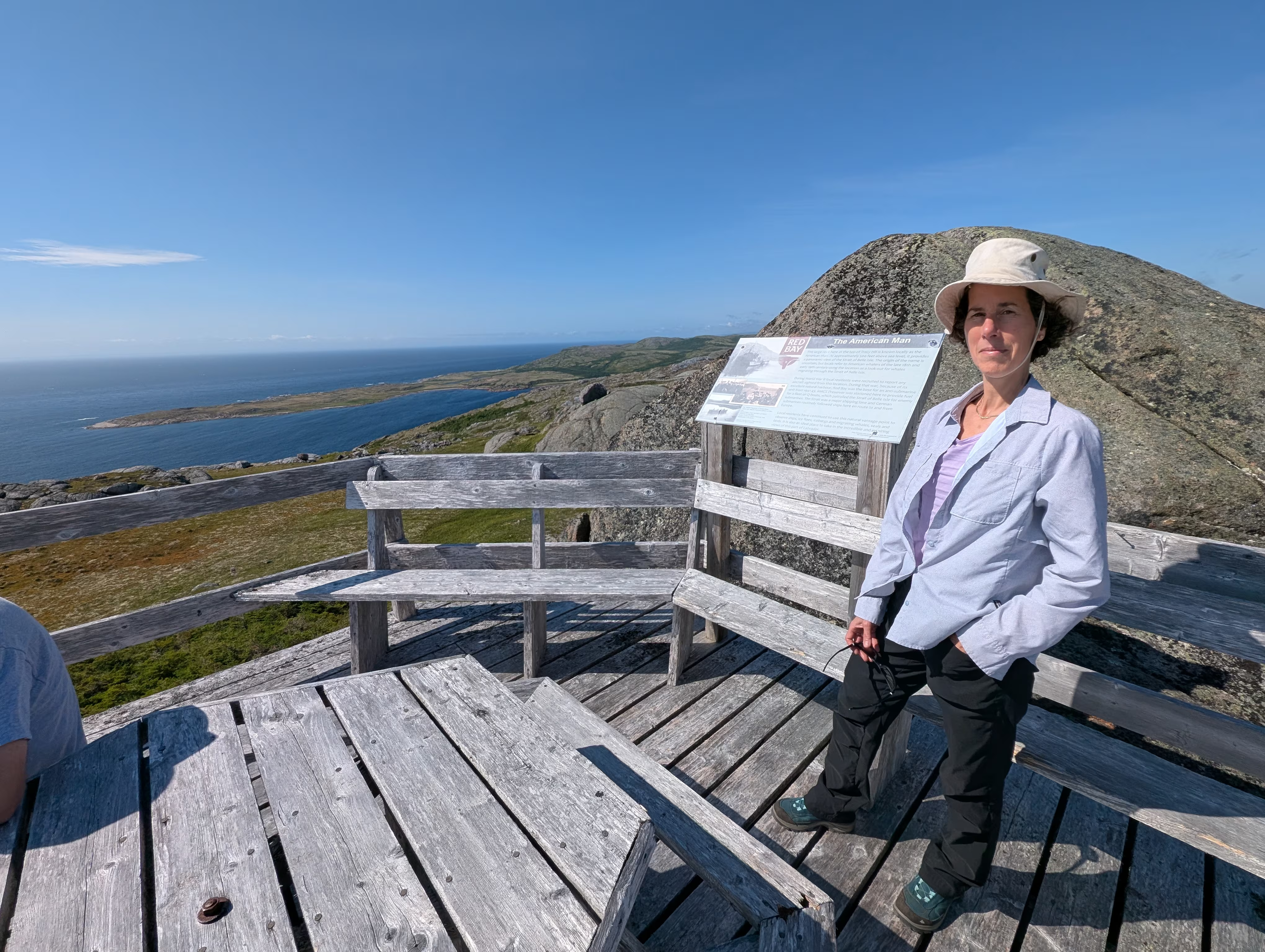
and a 360° view of Red Bay and the coast:
 *click on the panoramic image to enlarge it
which includes Saddle Island that we will visit tomorrow:
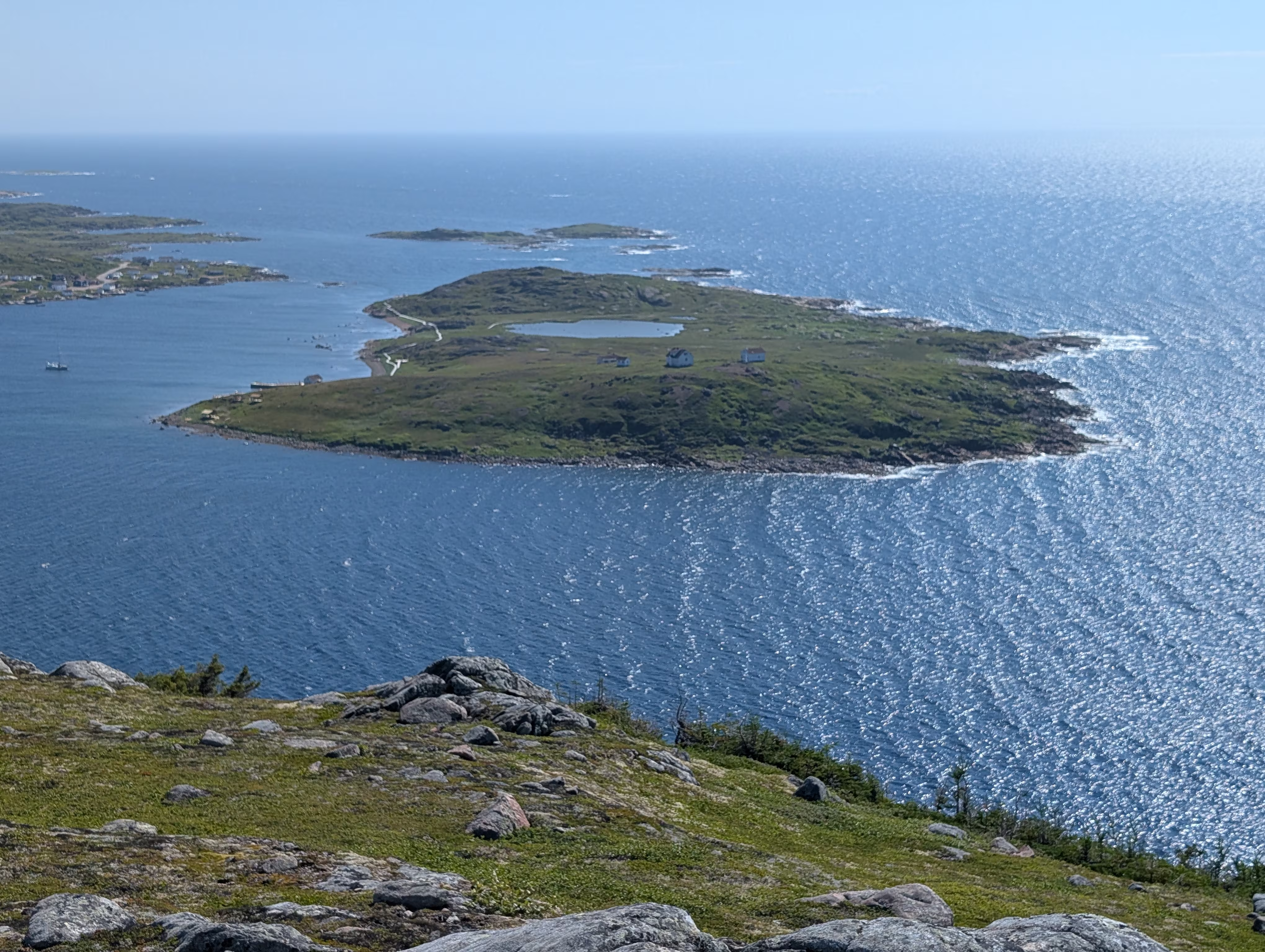
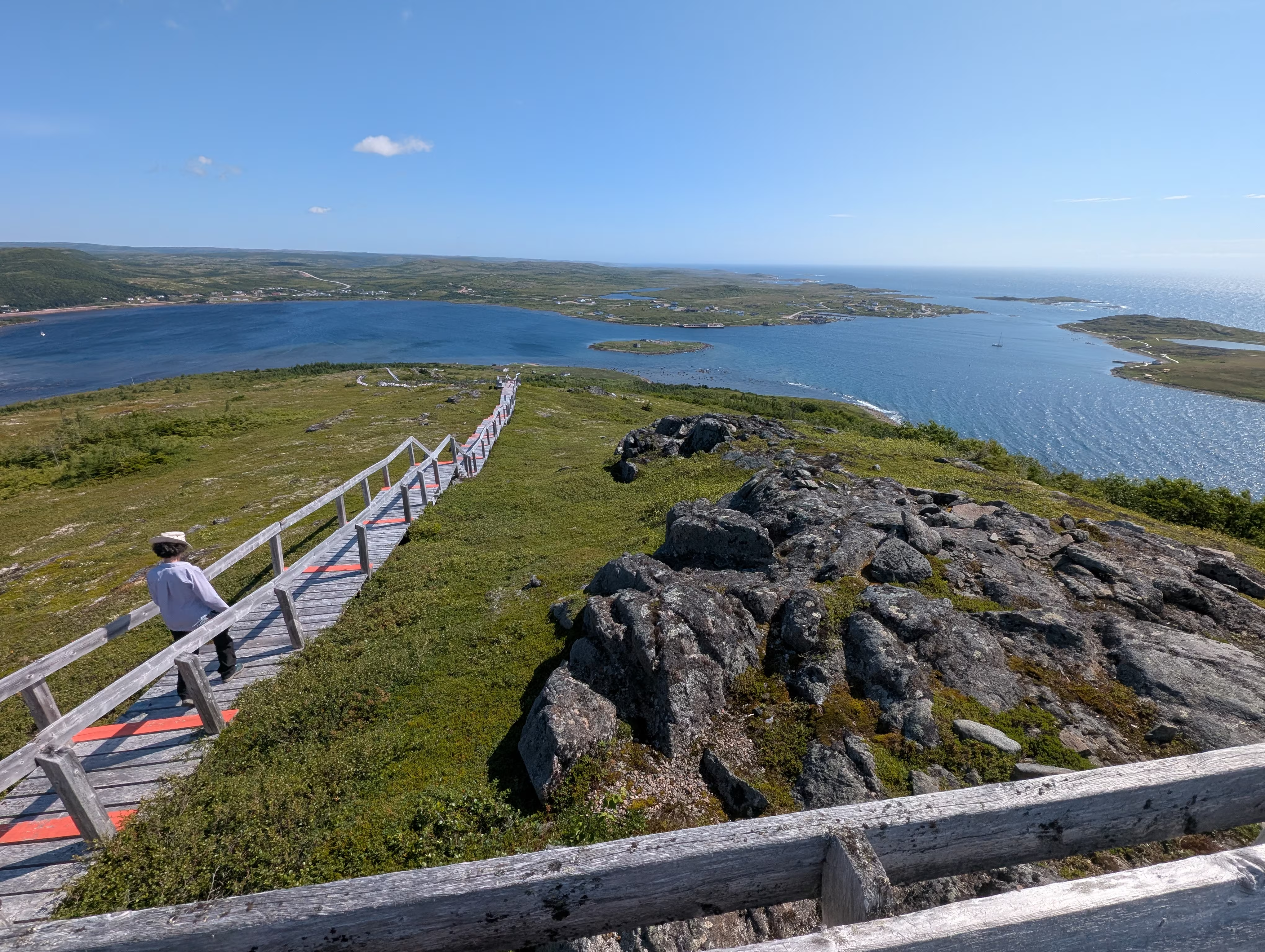
The 689 steps up the Tracy Hill Trail is impressive because it is all boardwalk:
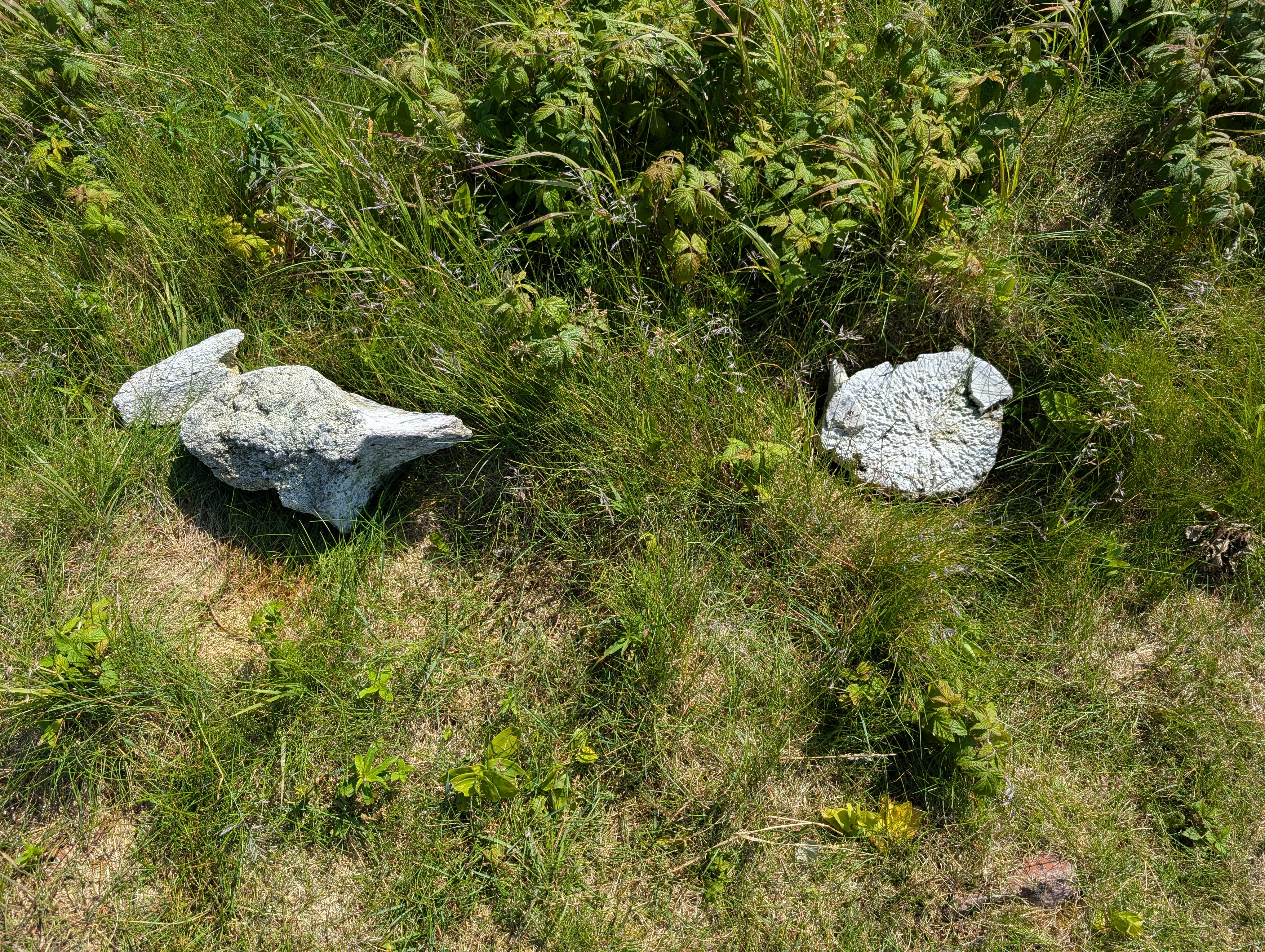
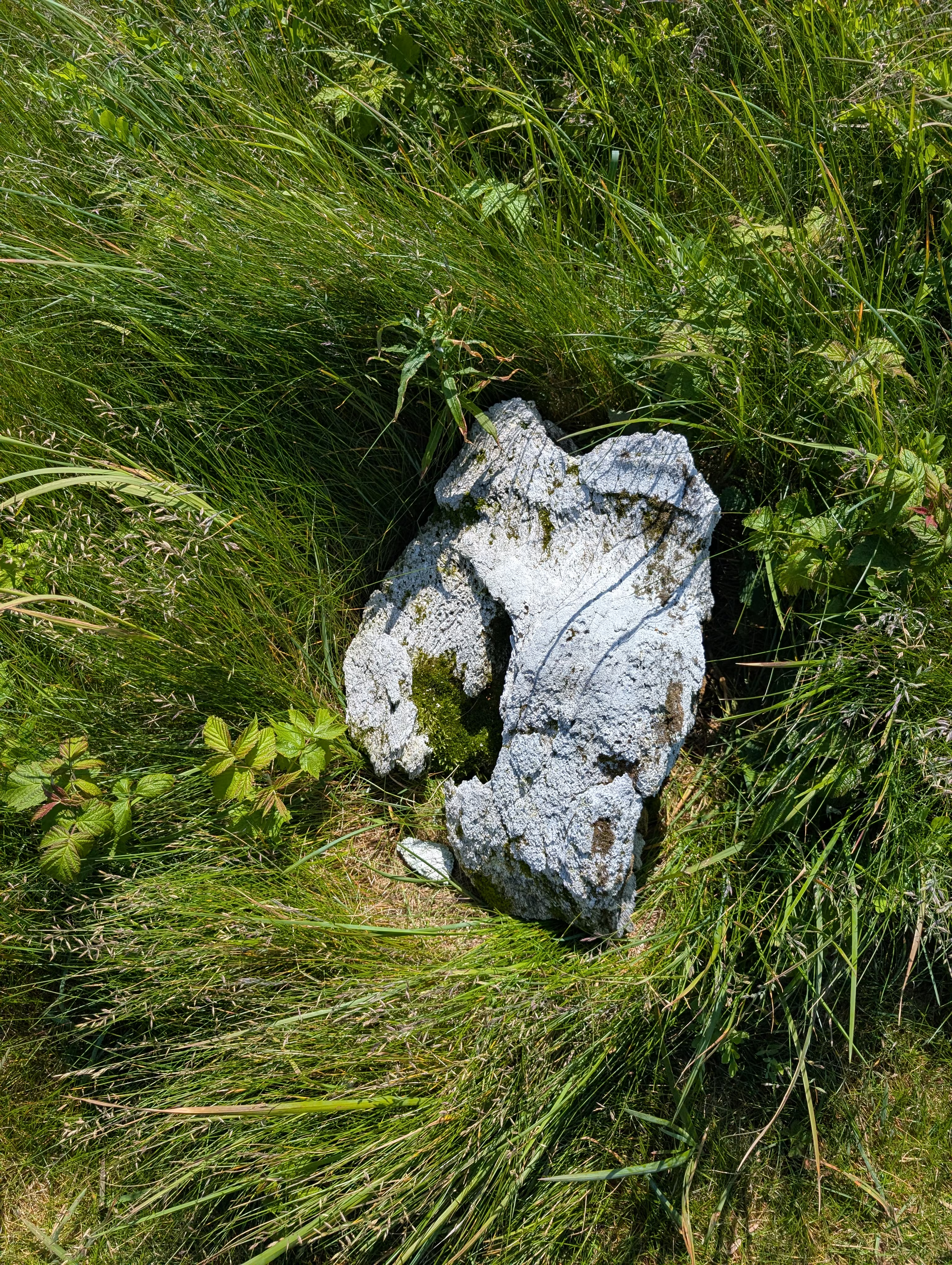
The Boney Shore Walking Trail is so named because of the large number of old whale bones scattered along the shoreline, the remnants of a very successful Basque whaling industry in 16th century:
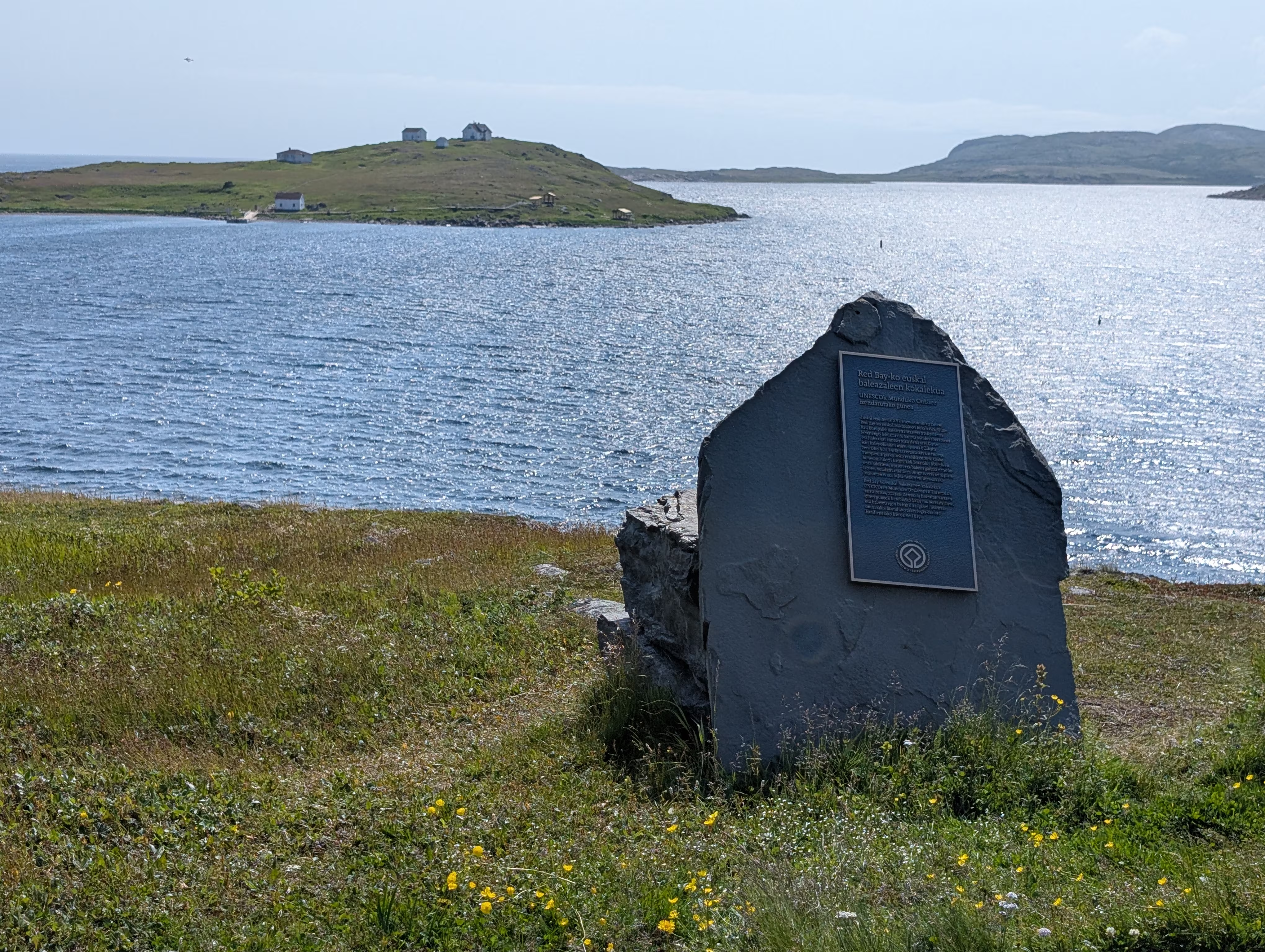
The Red Bay Basque Whaling Station was the first UNESCO World Heritage Site that we will visit on our trip:
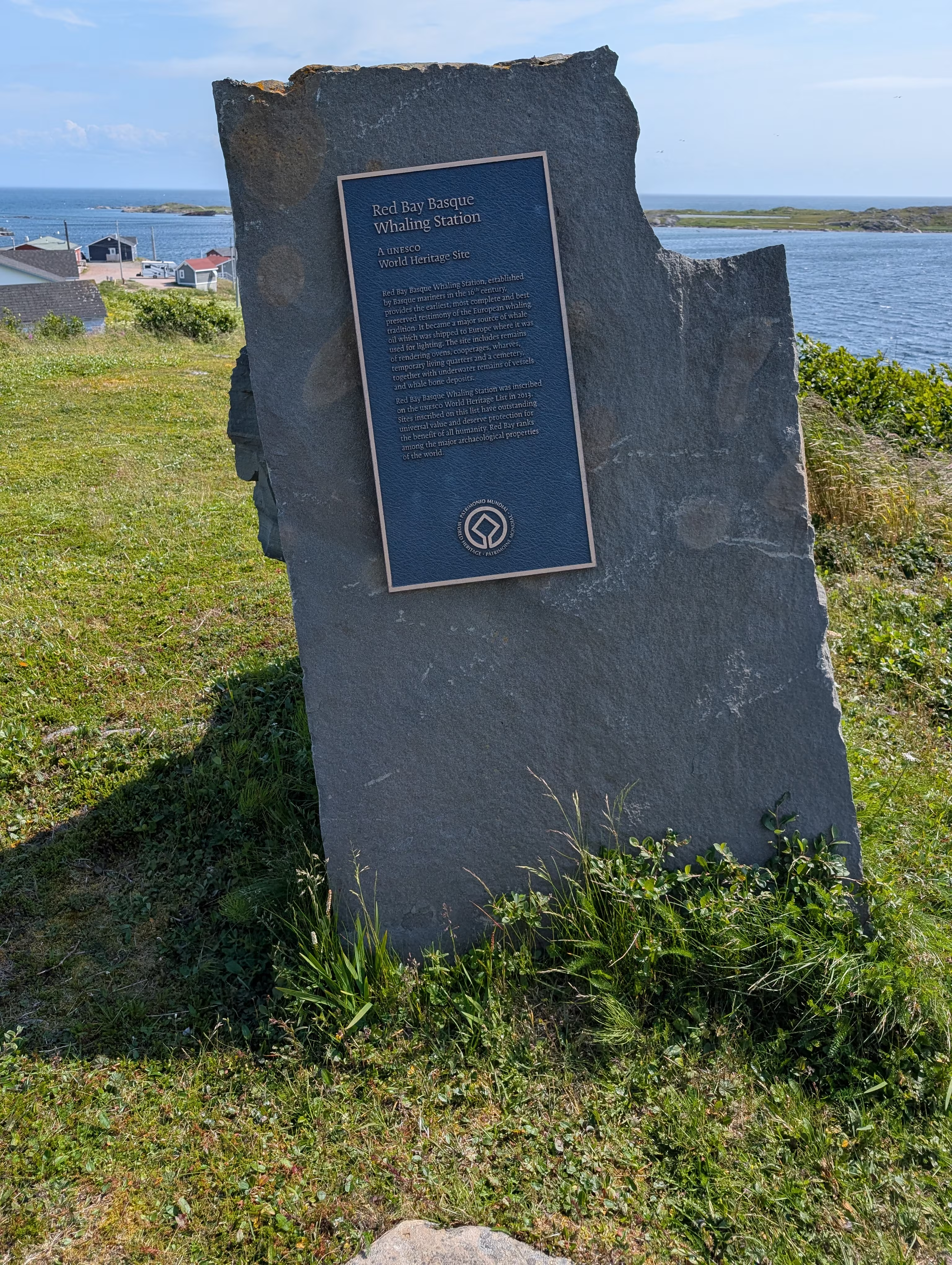
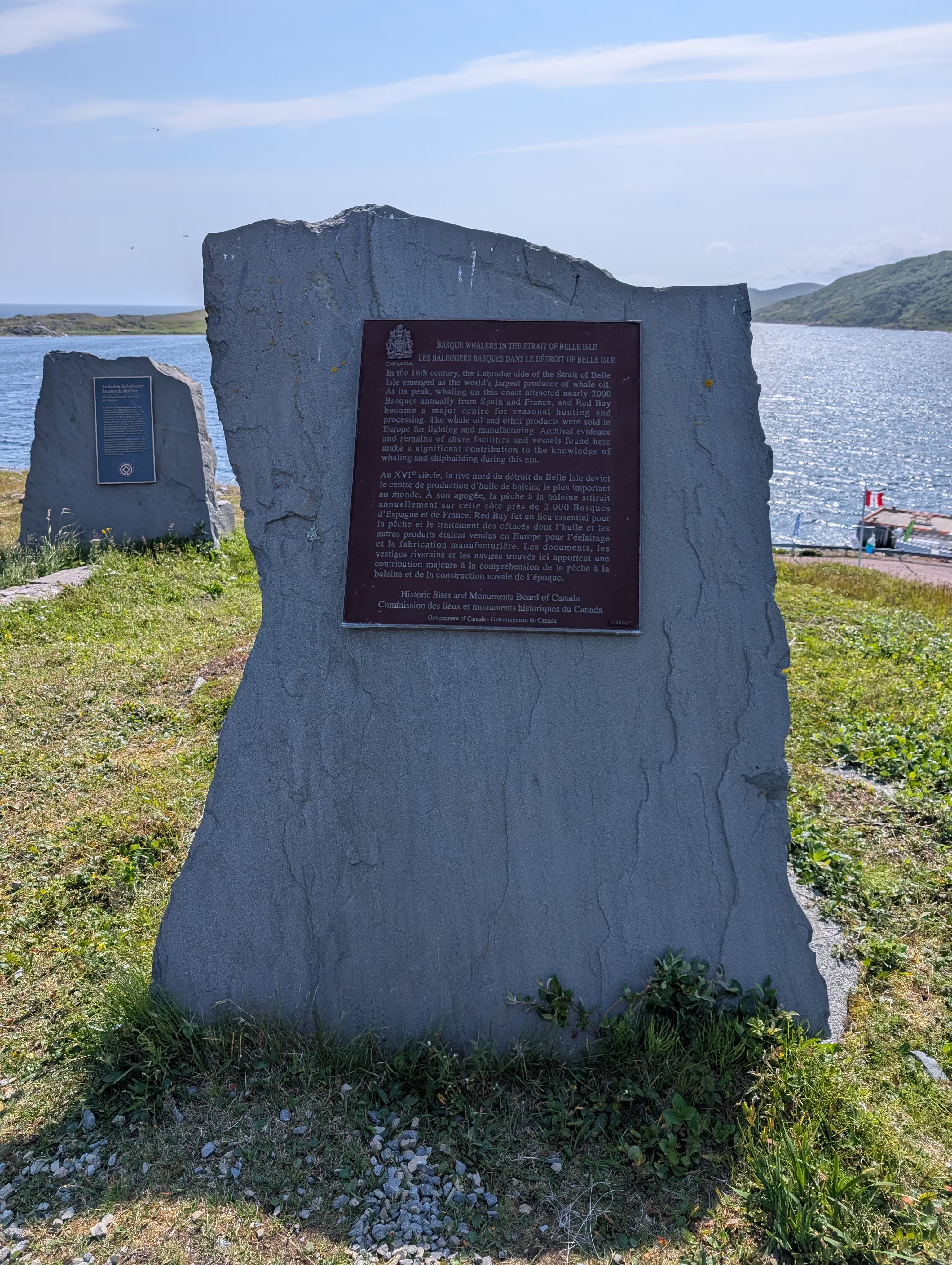
The plaques include one in Inuit, and you can see Saddle Island in the background:
The Red Bay National Historic Site Visitor’s Centre includes descriptions on how Red Bay became an World Heritage Site:
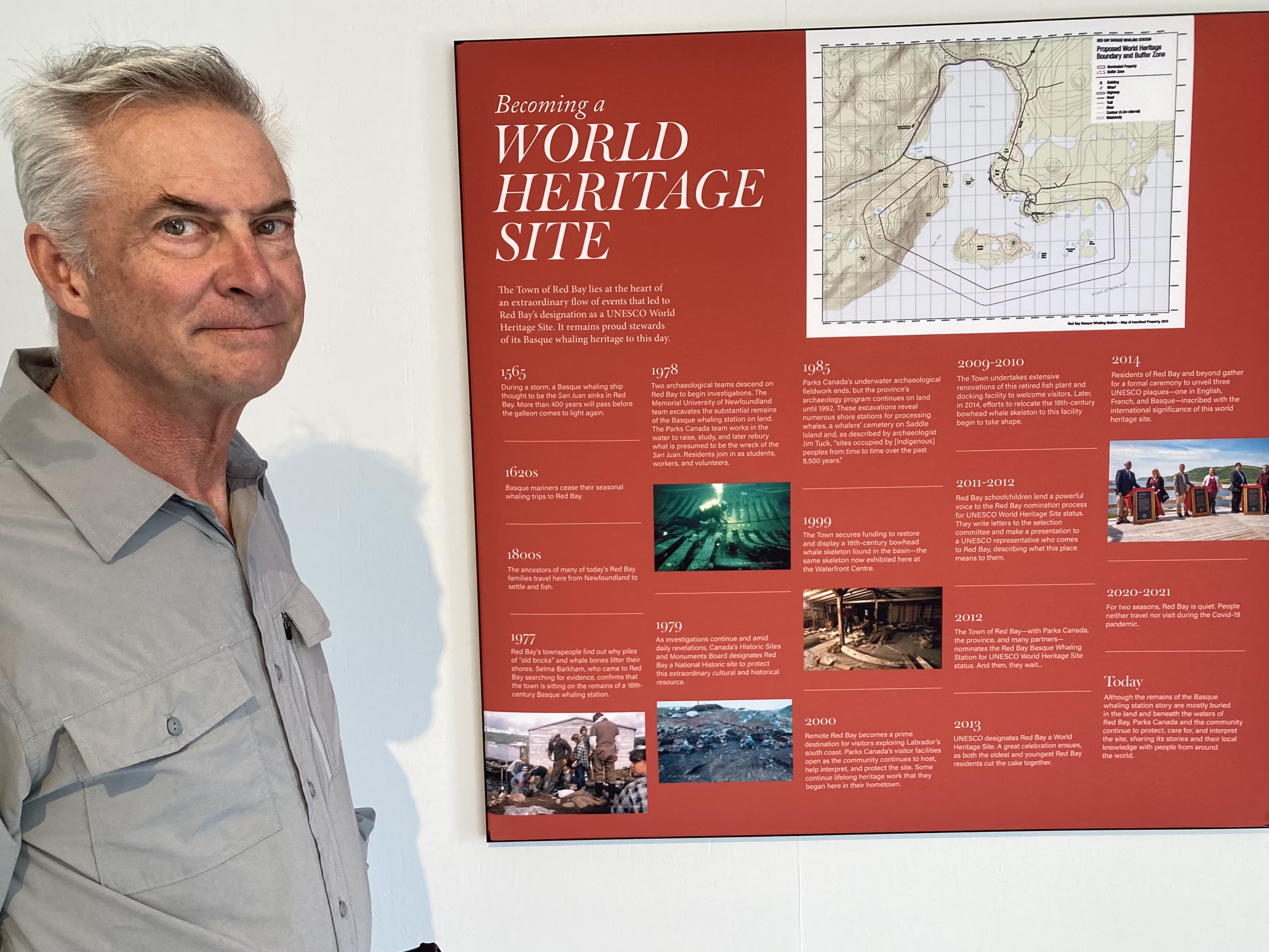
and about the site itself:
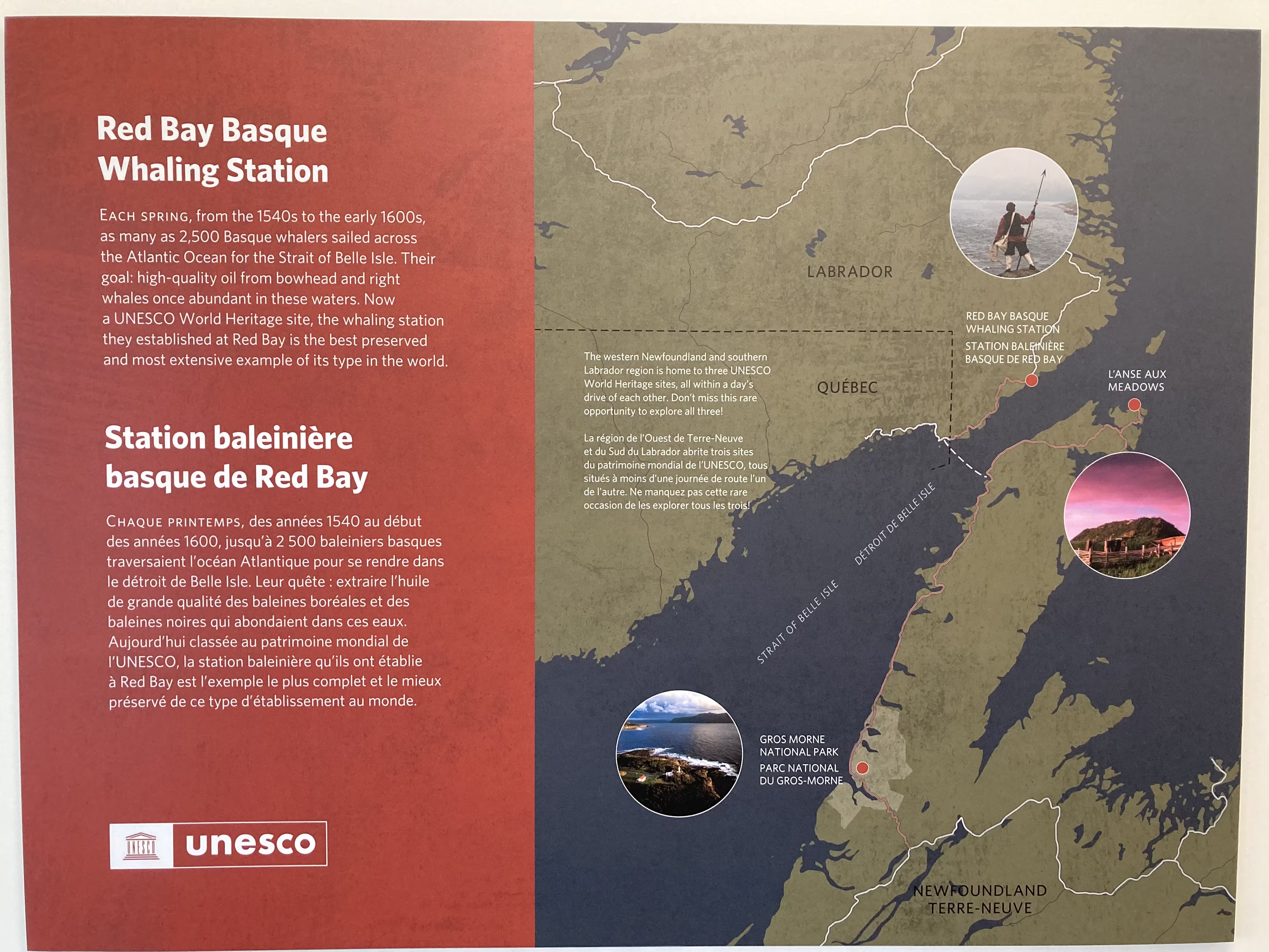
The gist of the story is that Basque Fishermen searching across the Atlantic for cod found them in the Strait of Belle Isle, know to them as the Grand Bay.
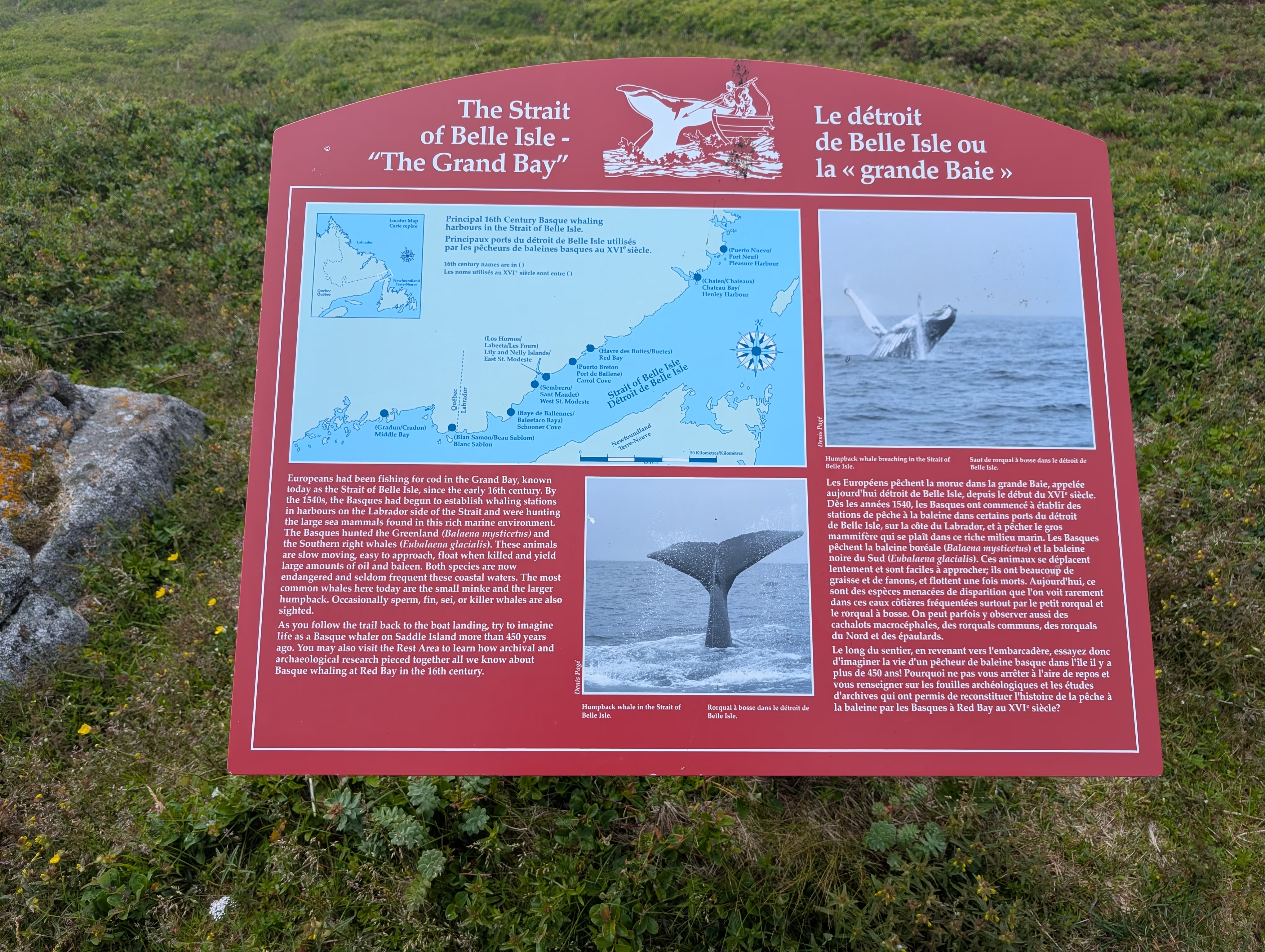
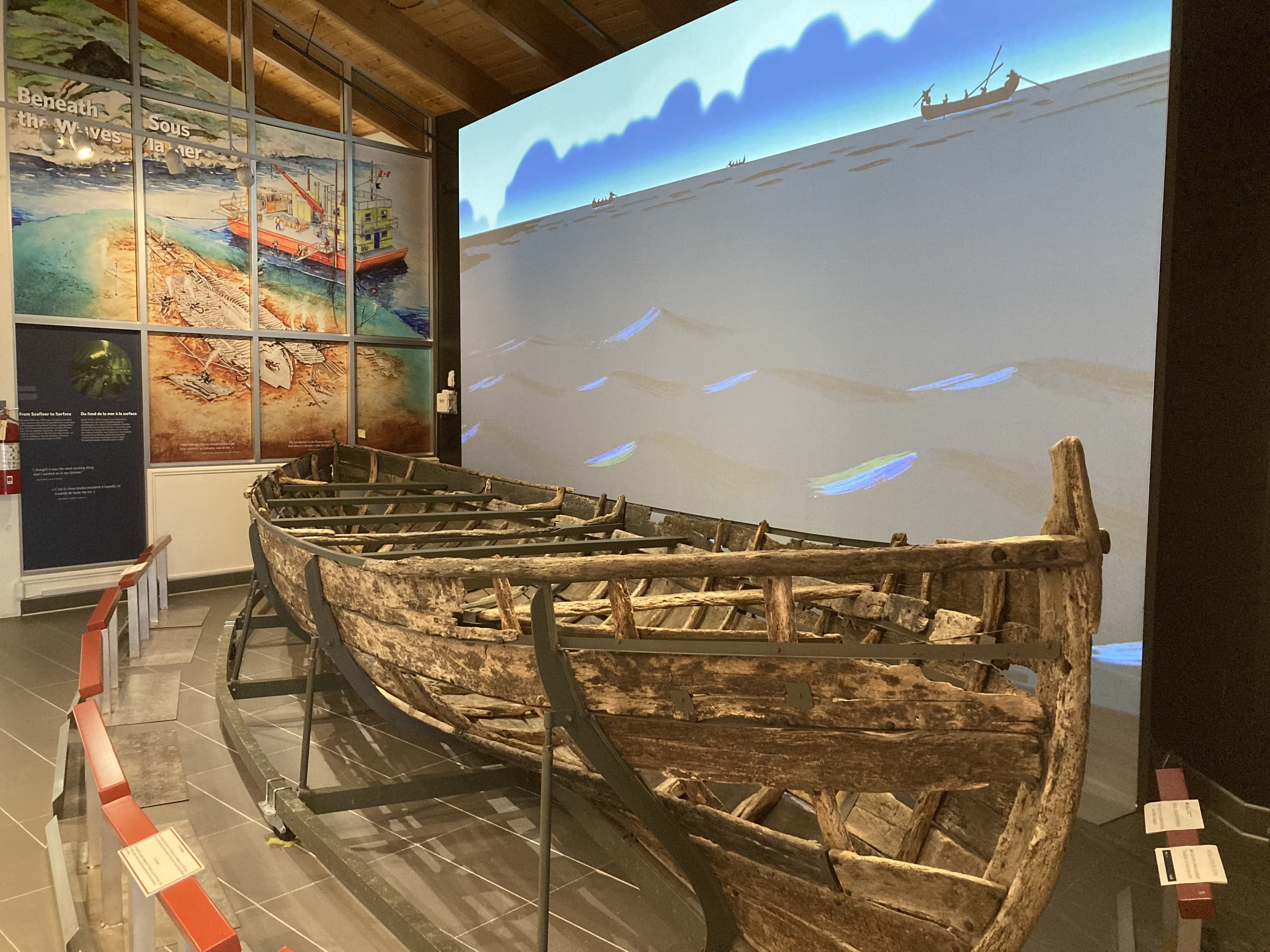
They also discovered an abundance of Right whales and Bowhead whales whose blubber can be rendered into a smokeless oil that was highly desired for fueling house lamps. Since the whales were easy to hunt and had a lot of blubber, the Basques set up and industry in Red Bay whose sole purpose was to produce whale oil. The Basques were so efficient that it less than 70 years to deplete the whale population to the point where it was no longer economically feasible to continue at Red Harbour. Think about it: they came across in sailing ships like the one shown in this model:
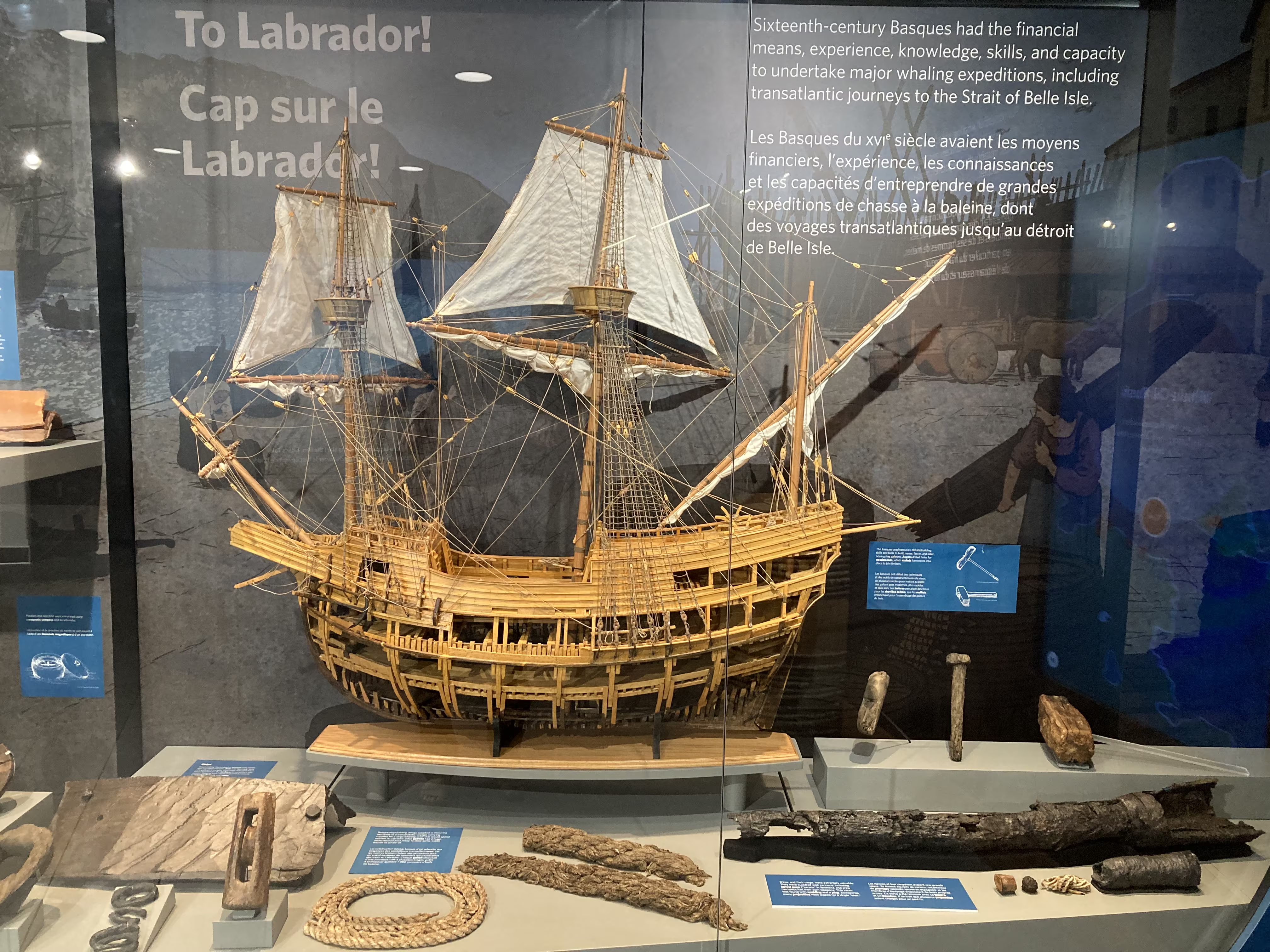
and rowed out to harpoon and tow the whales in to shore in dories such as this artifact:
Red Harbour was a favourite spot becuase of its protected harbour as seen in this map:
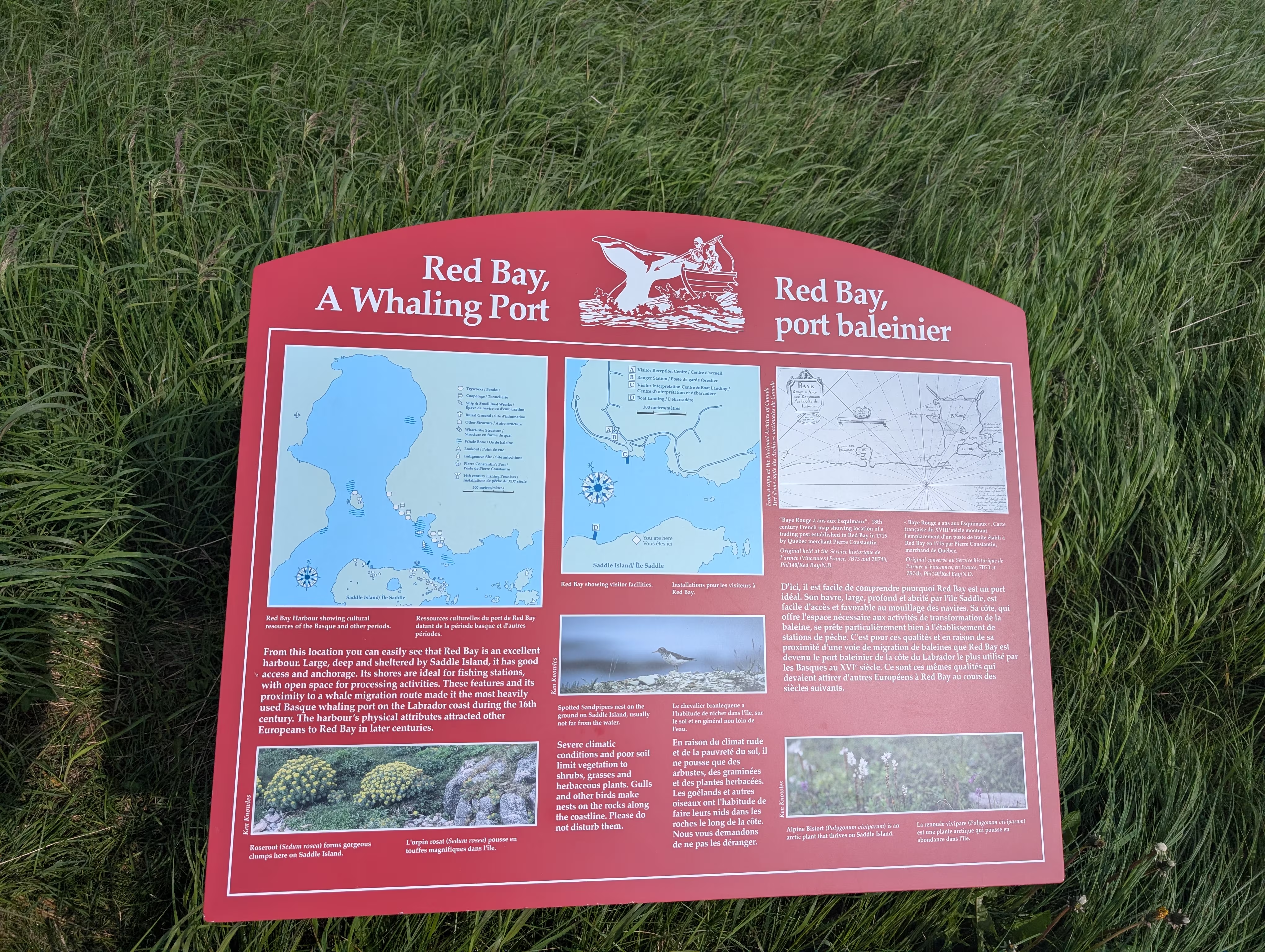
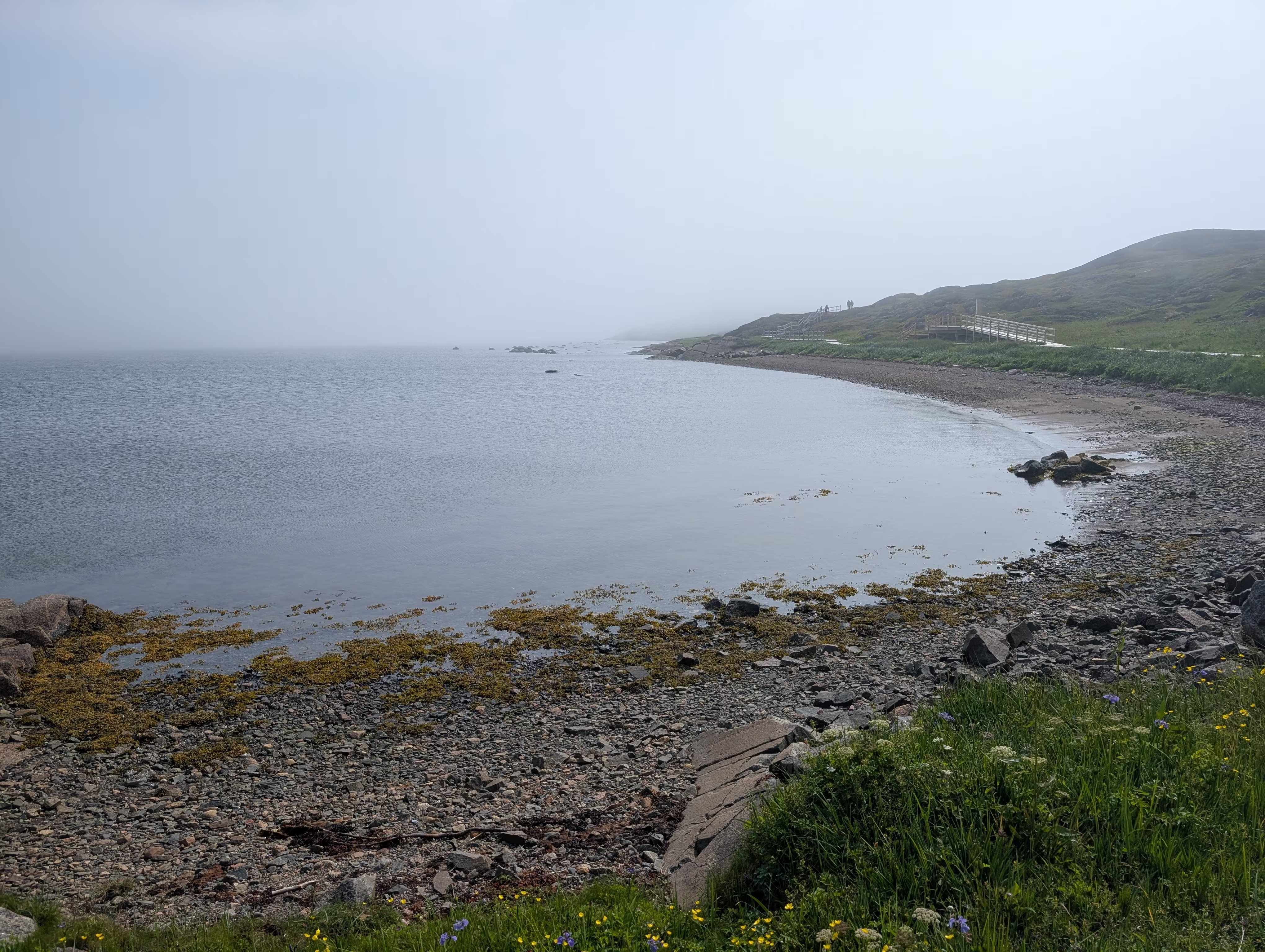
and because of good quality beaches, such as the Boney Shore (shown above) and on Saddle Island:
These are our tracks for Sunday, Aug 03
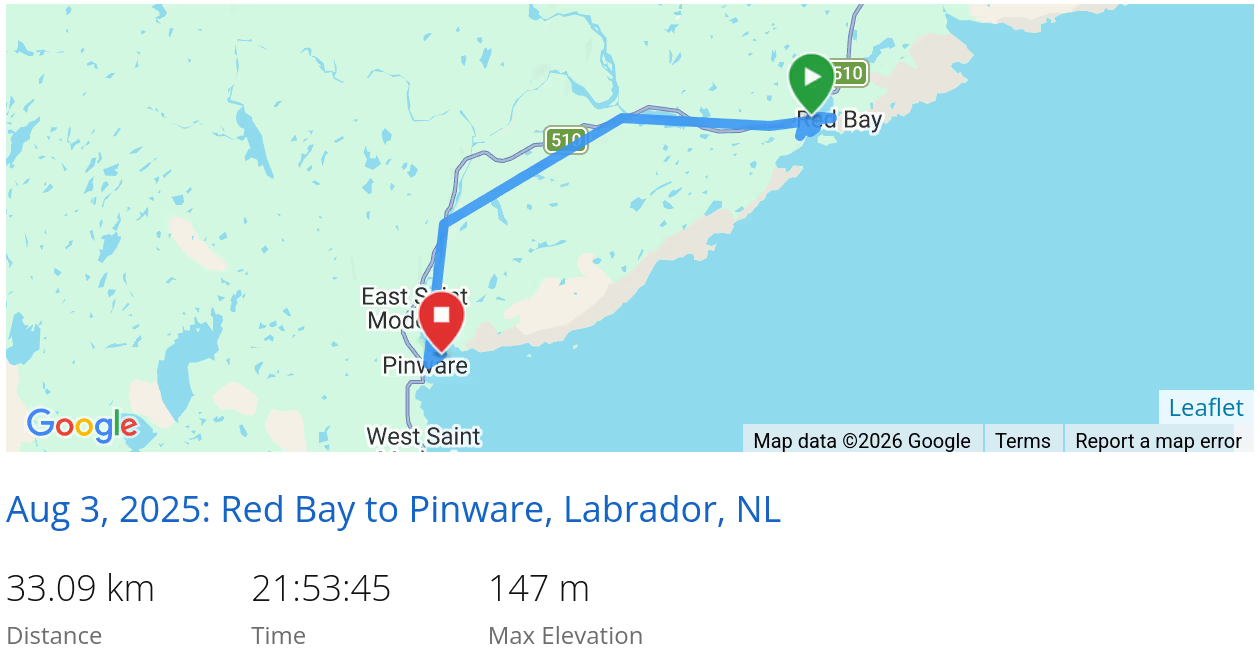 *click on the map for more details
After overnighting in Pinware River Provincial Park, we returned on Monday to Red Bay to visit Saddle Island where most of the archealogical work was done:
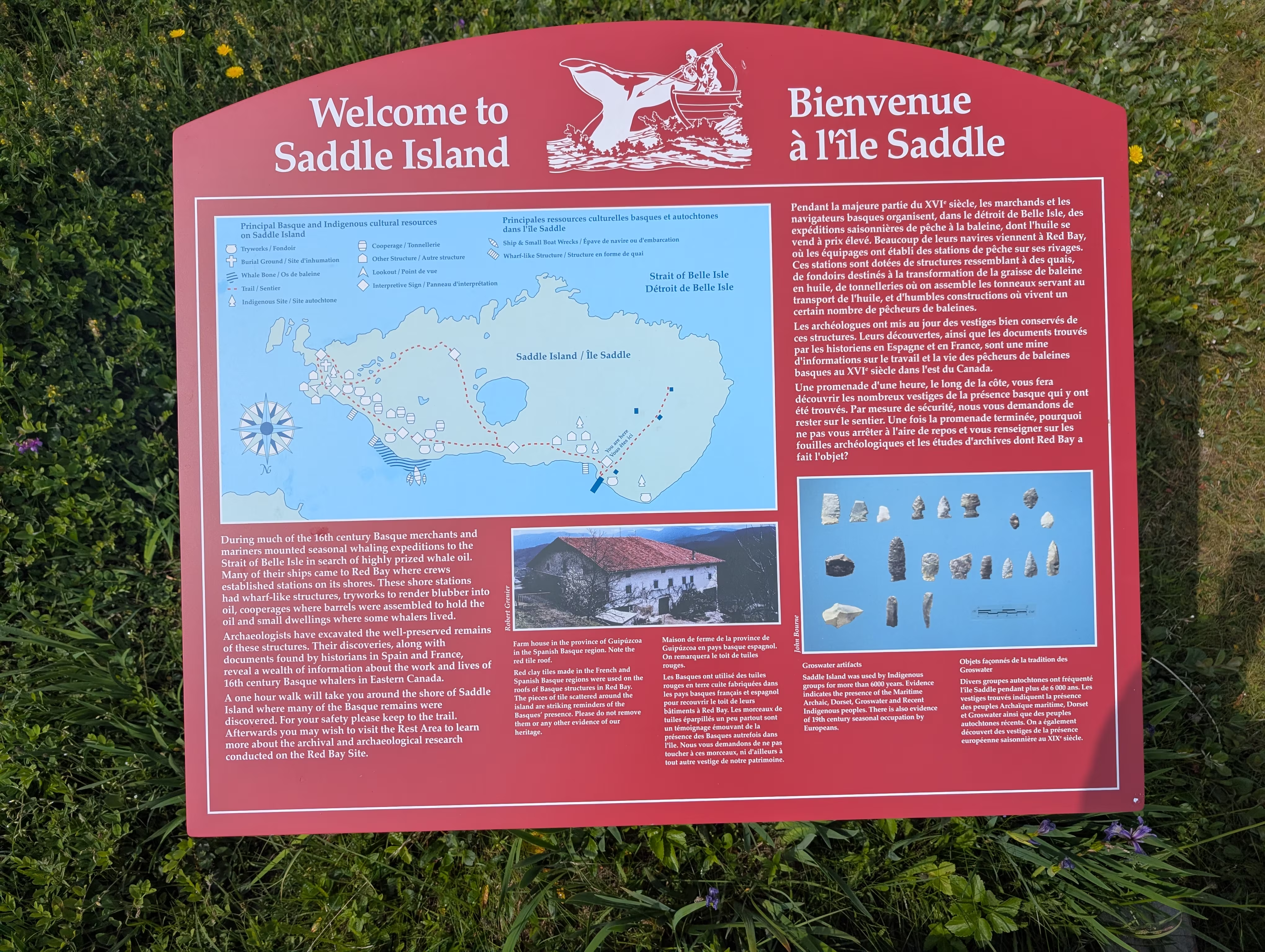
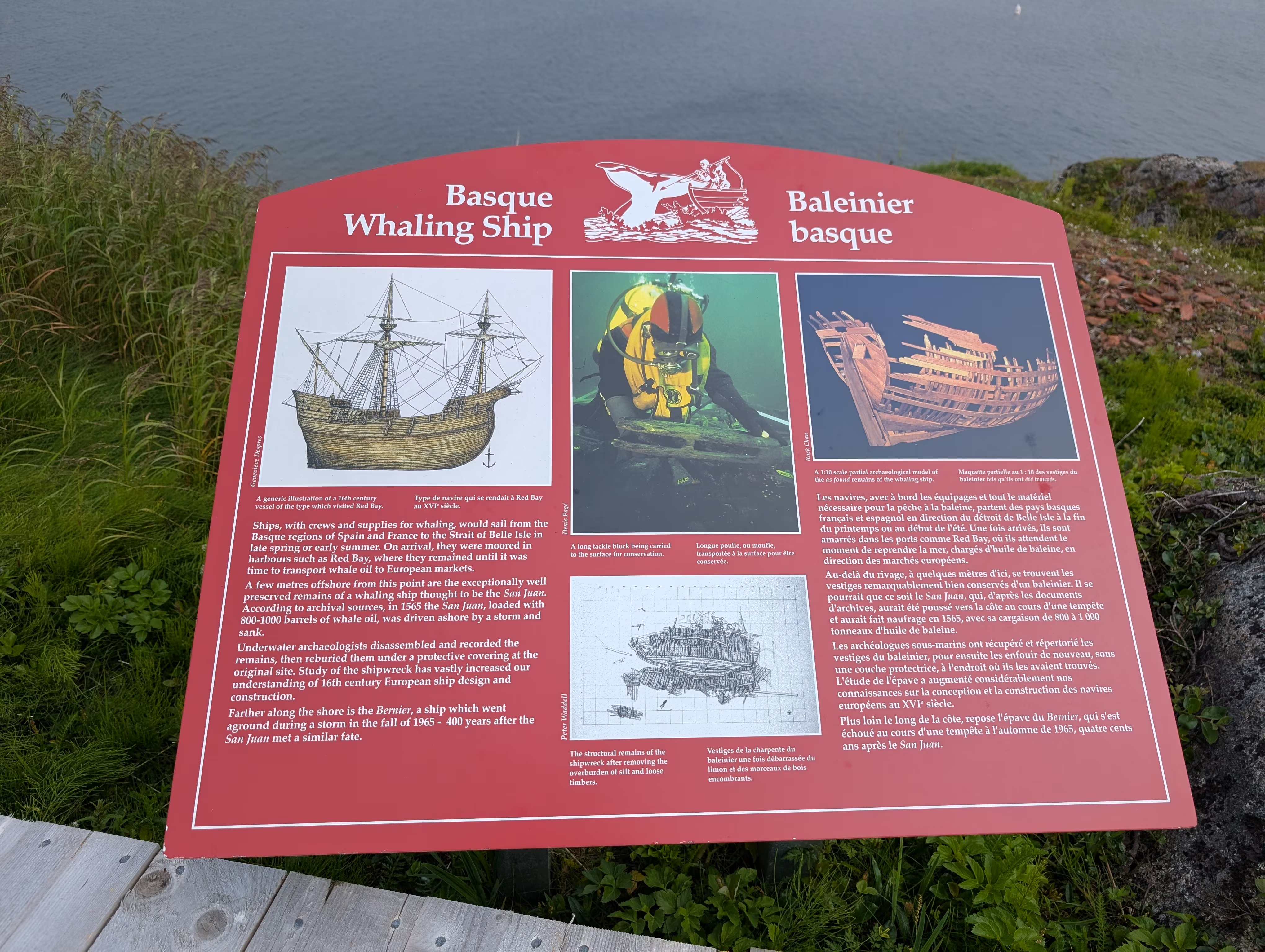
They have discovered sunken whaling ships in its shallows:
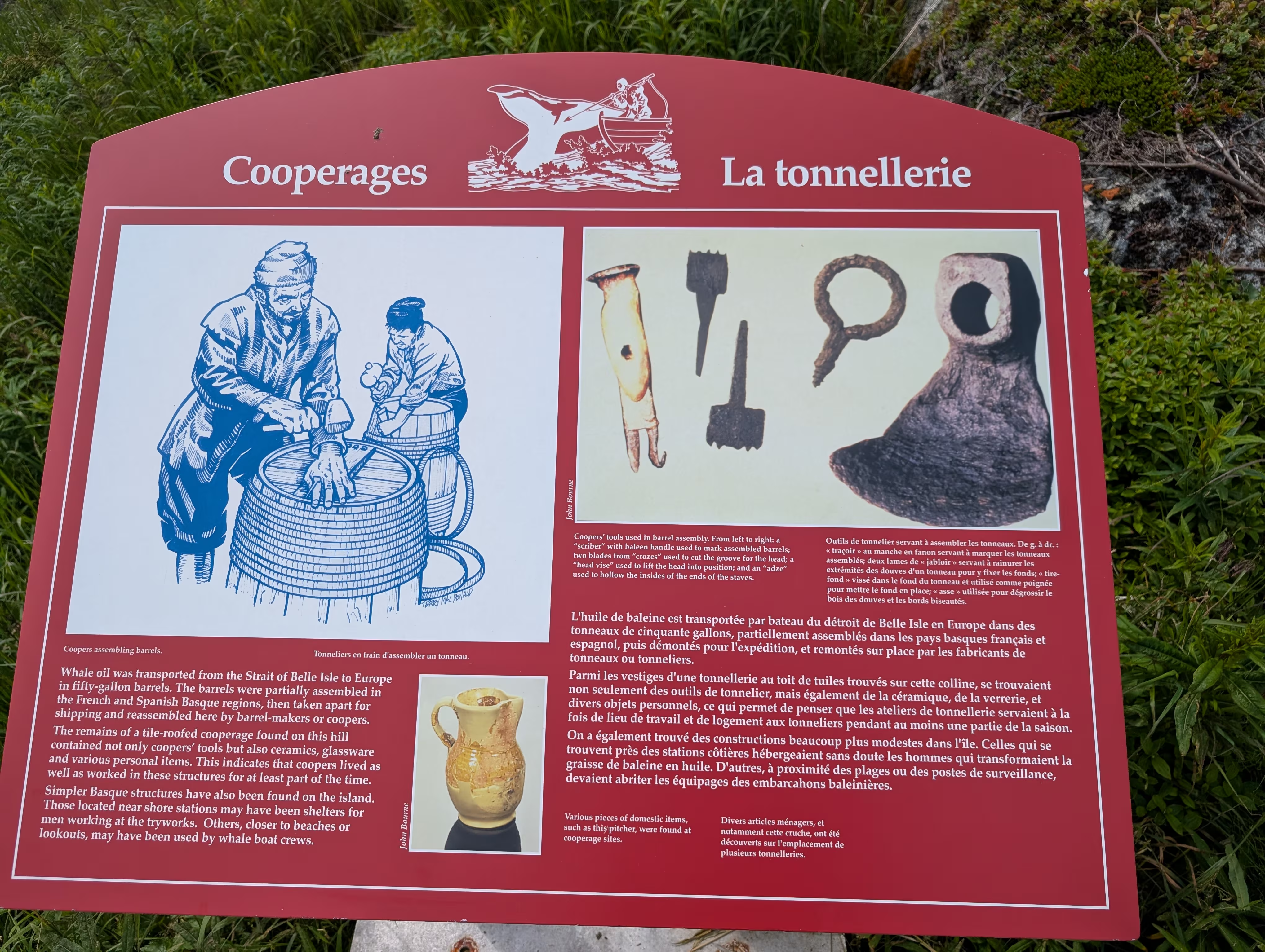
as well as cooperages:
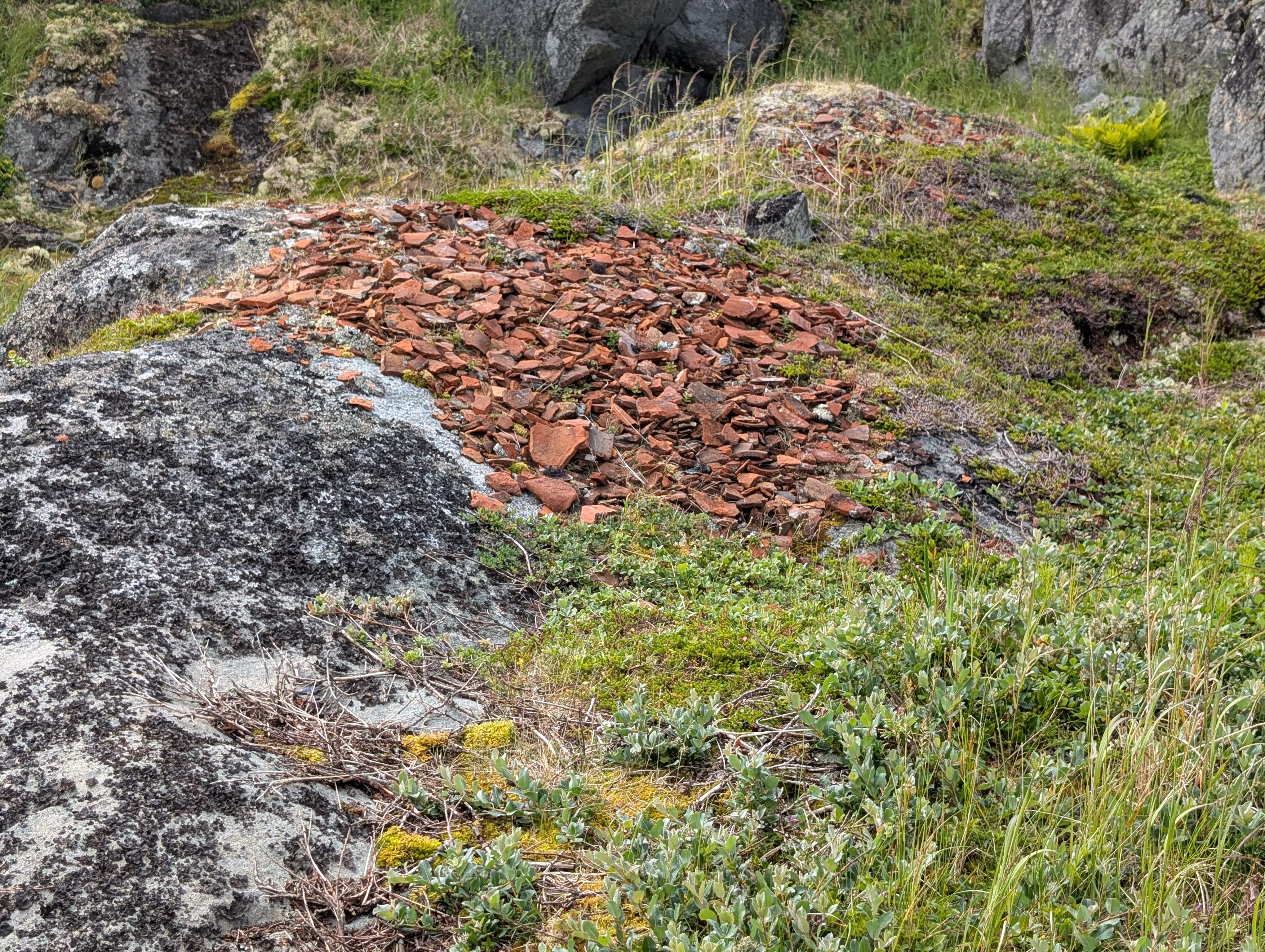
whose imported tile roofs are all that remains:
They also unearthed the rendering ovens:
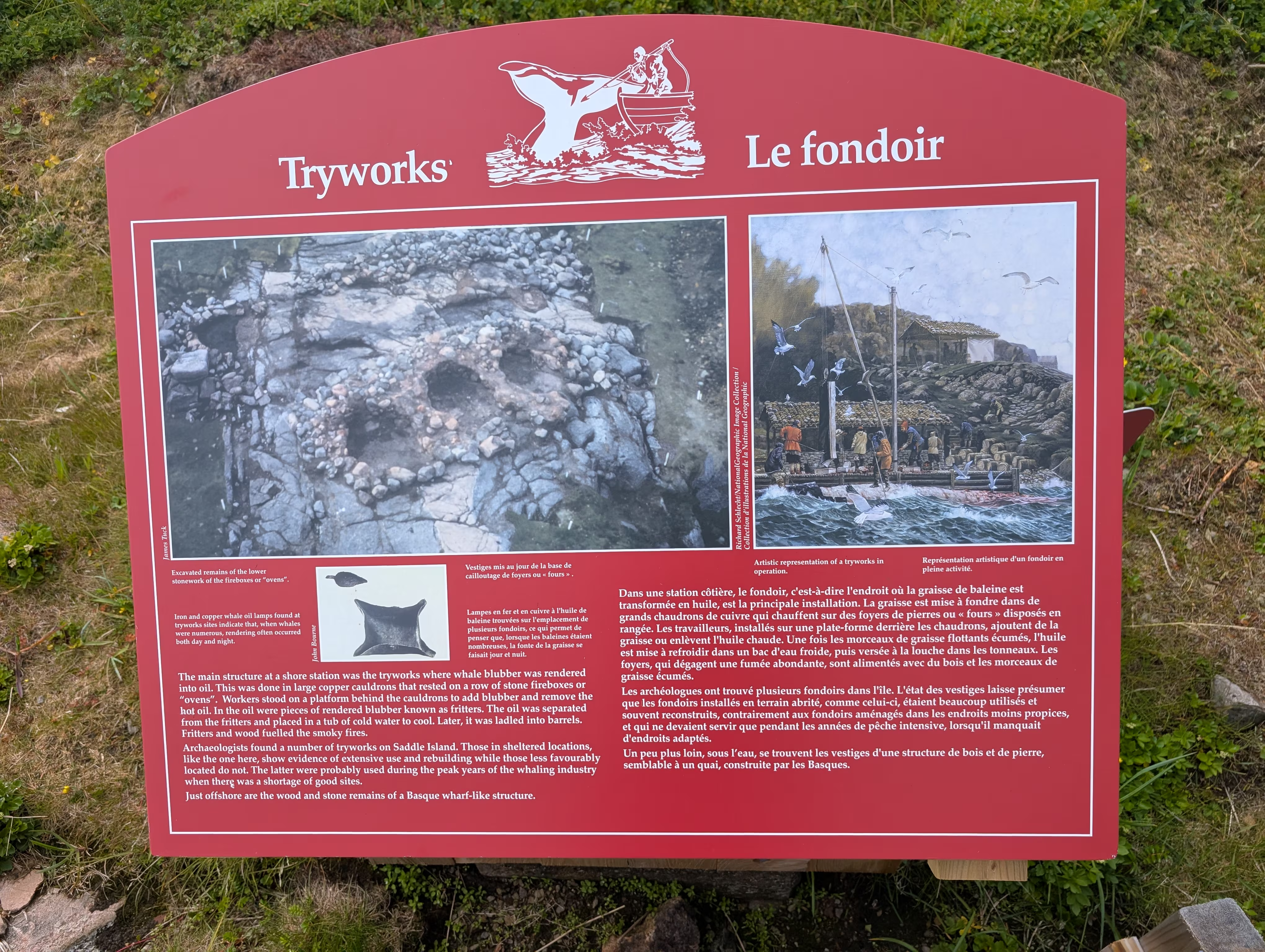
They are building a replica of the ovens, but it was not complete at the time of our visit.
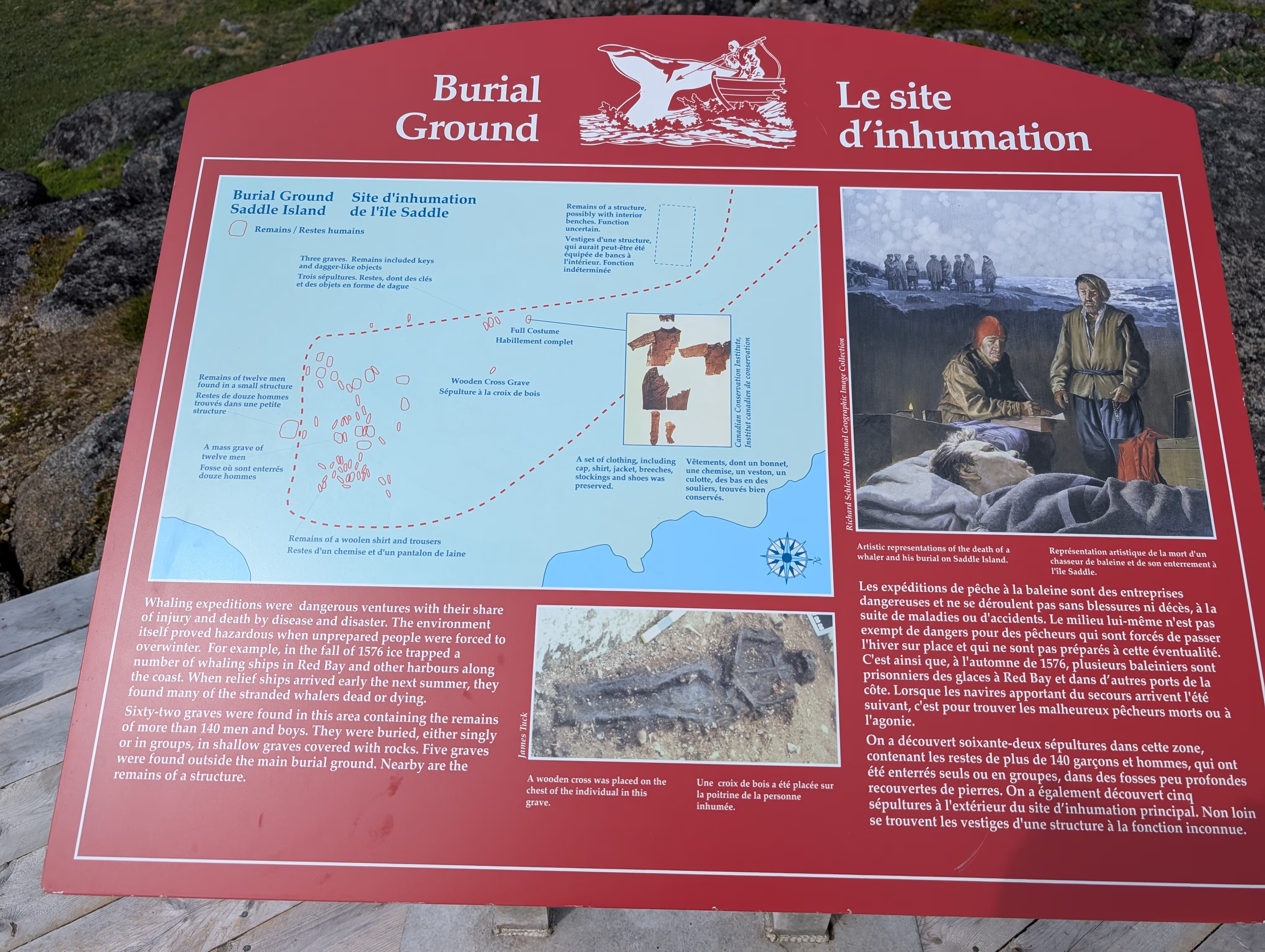
Some of the whaling crews included priests which enabled them to bury their dead on Saddle Island:
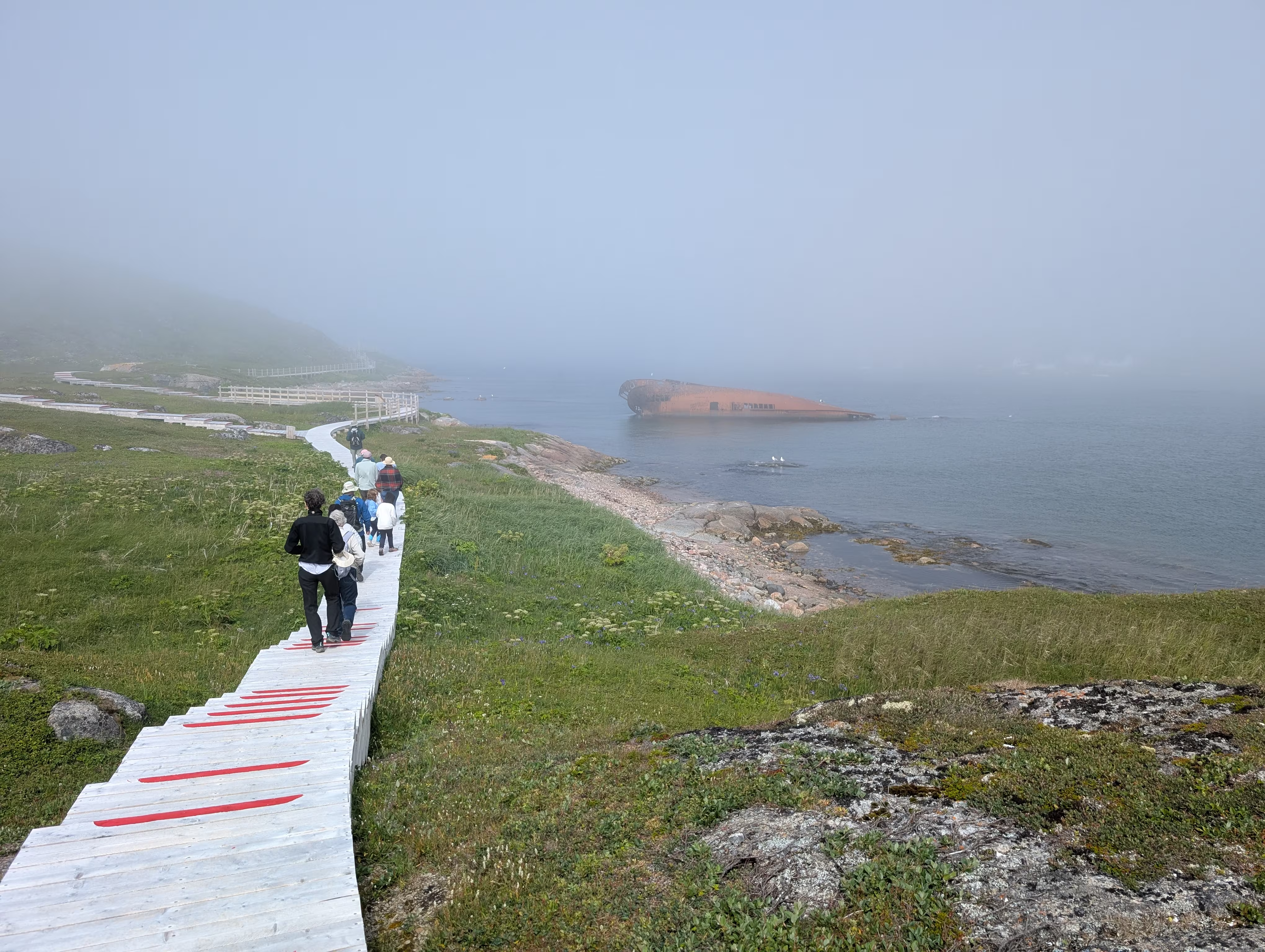
Near the end of our tour around the island, we got a view of the hull of the Bernier, a coal carrying ship that wrecked on Saddle Island in 1966:
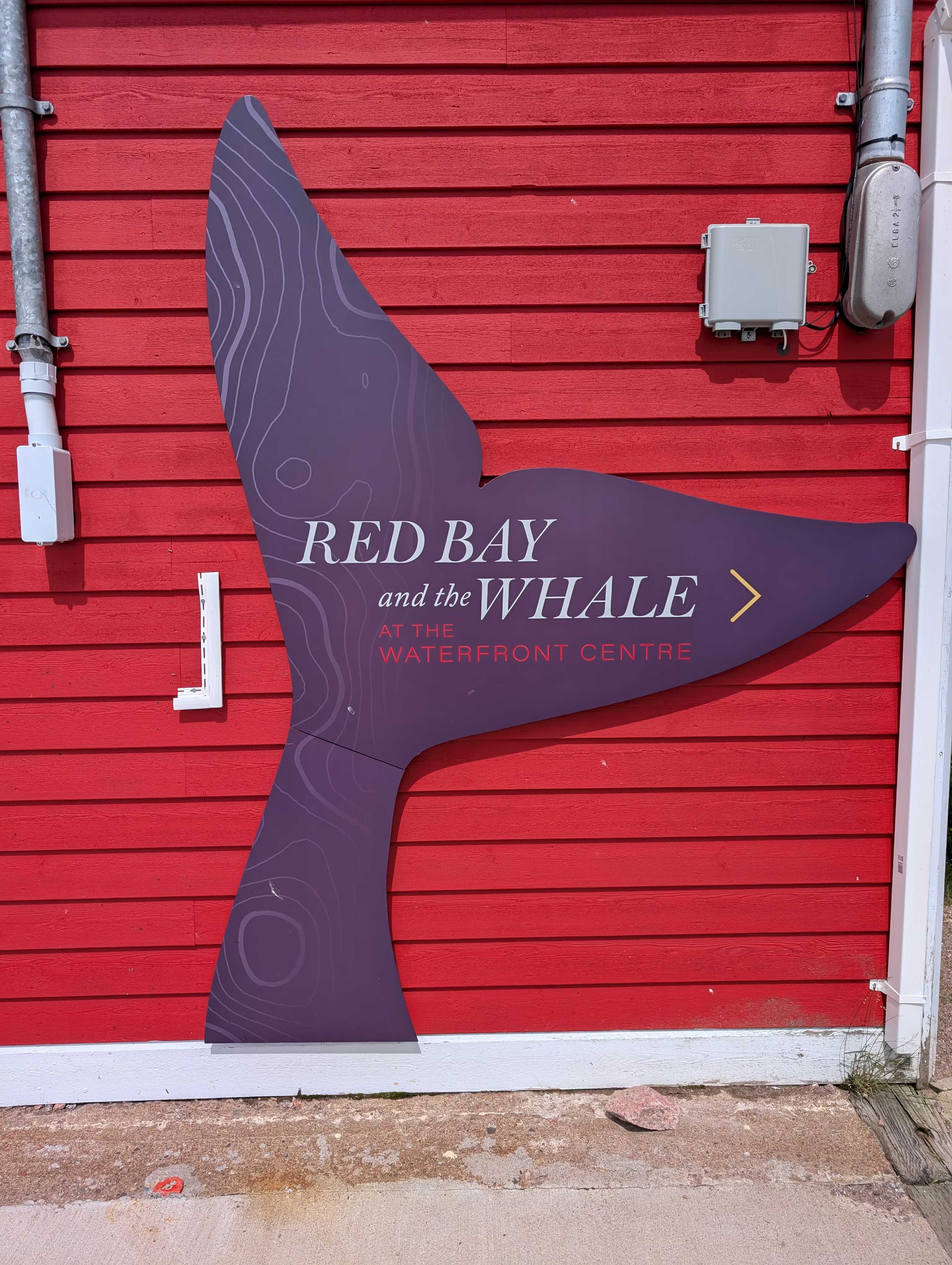
Our last stop in Red Bay was at the Right Whale Exhibit Museum:
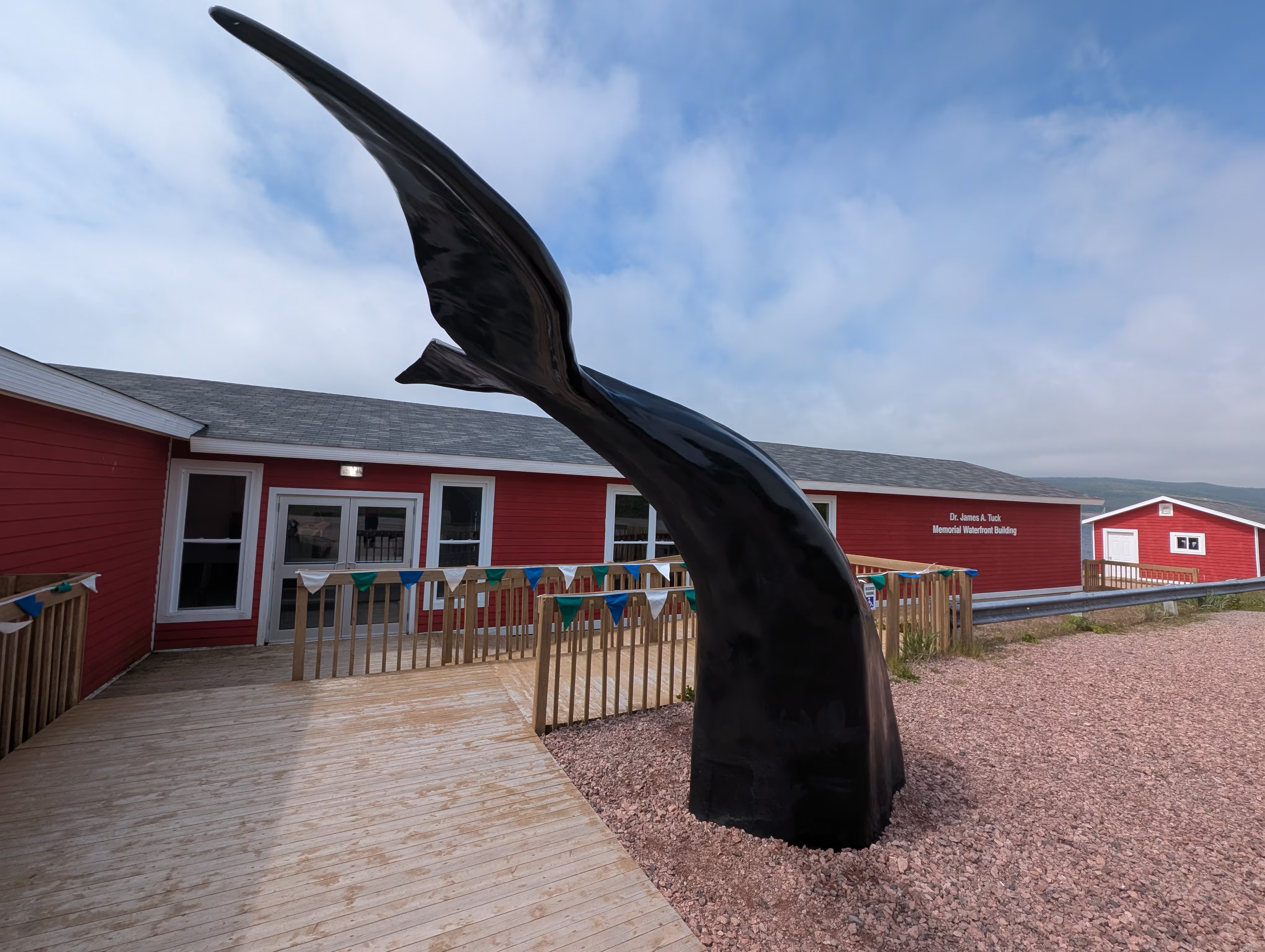
Unfortunately, we were not able to get a picture of the Right Whale skeleton displayed in this museum.
L’Anse Amour
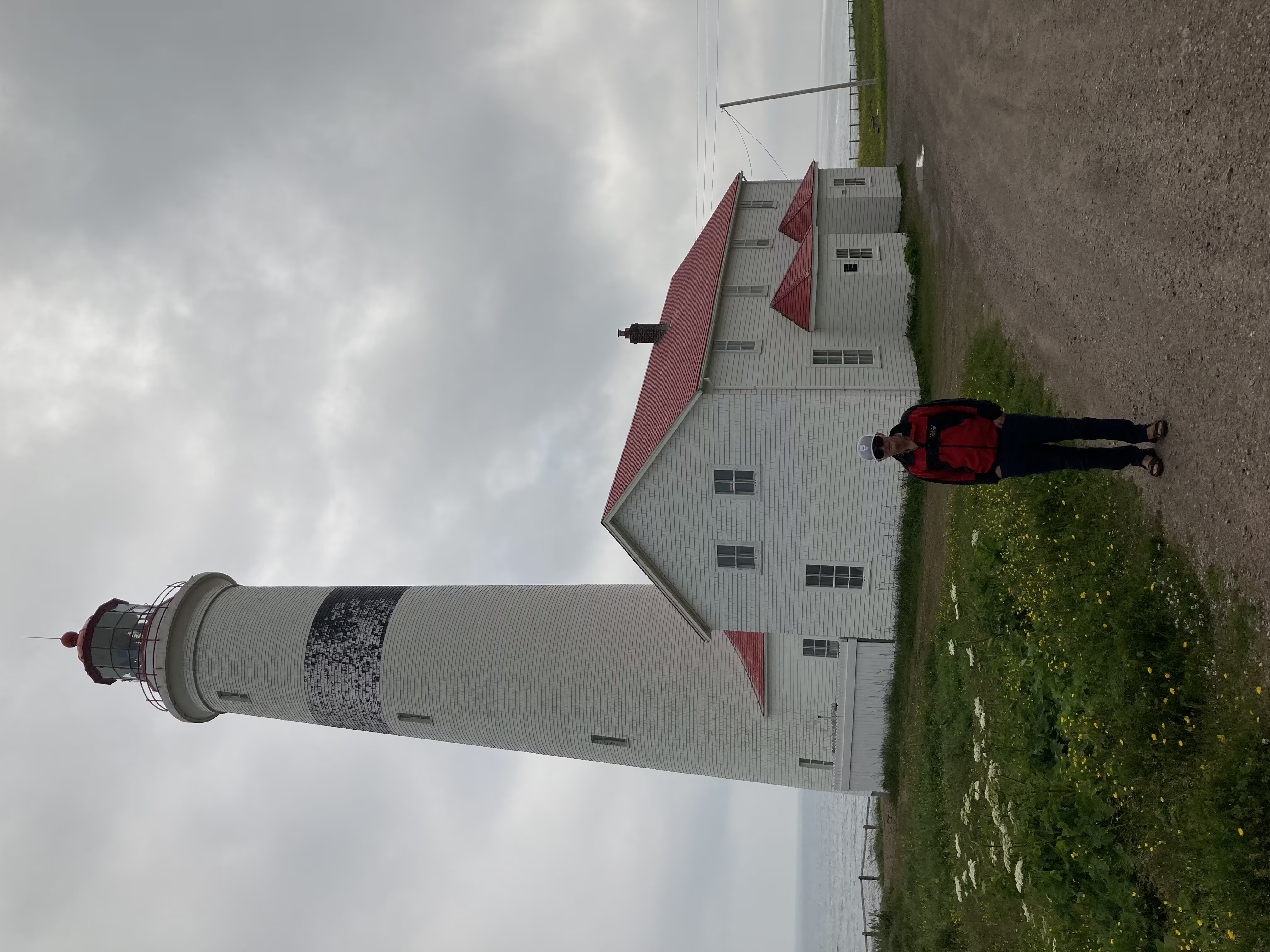
On the way to Blanc Sablon we stopped at the Point Amour Lighthouse:
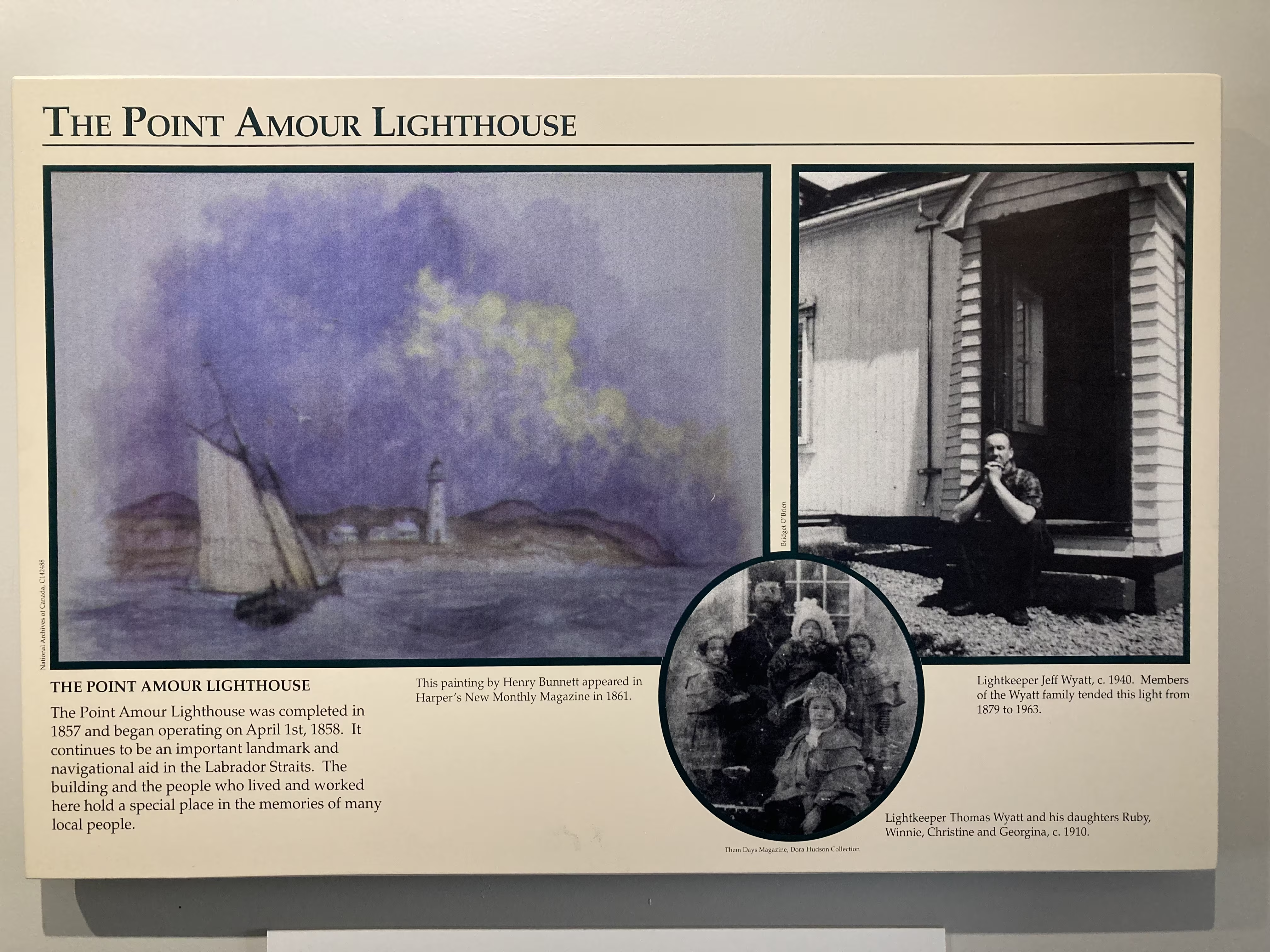
which is the tallest in Atlantic Canada and slightly shorter than its sister, the Cap-des-Rosiers Lighthouse which is the tallest in Canada:
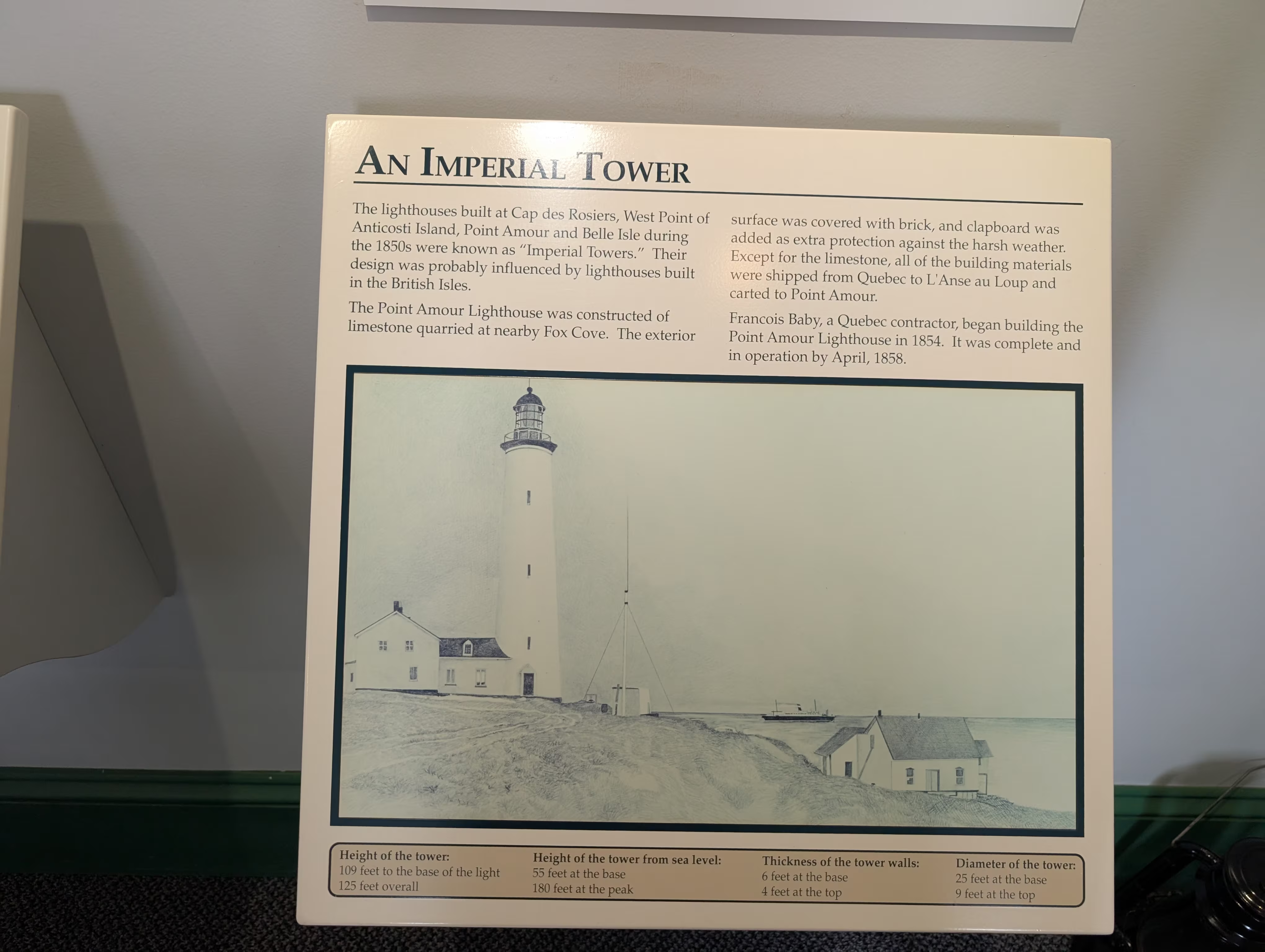
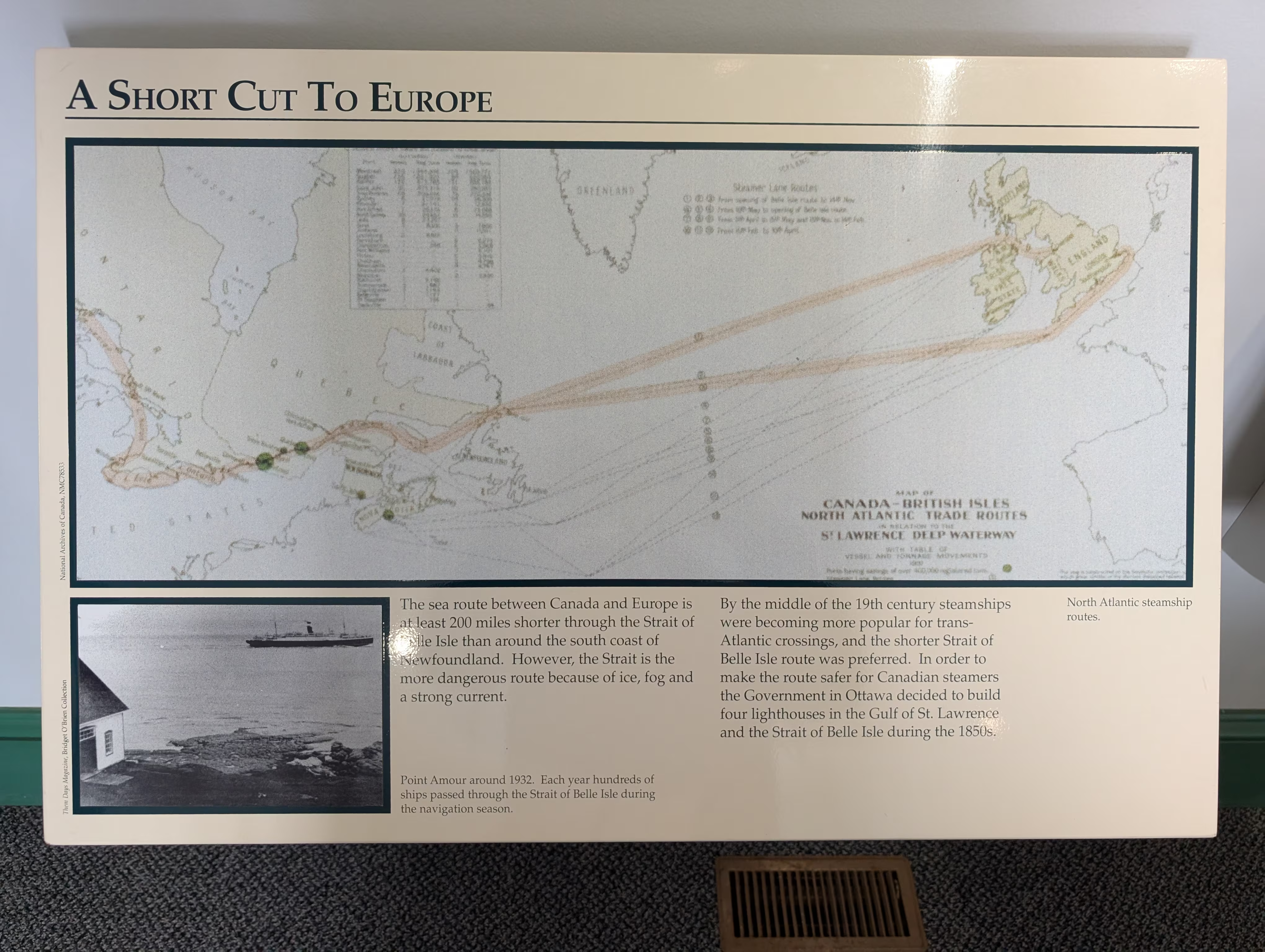
It is one of several light houses on the Strait of Belle Isle:
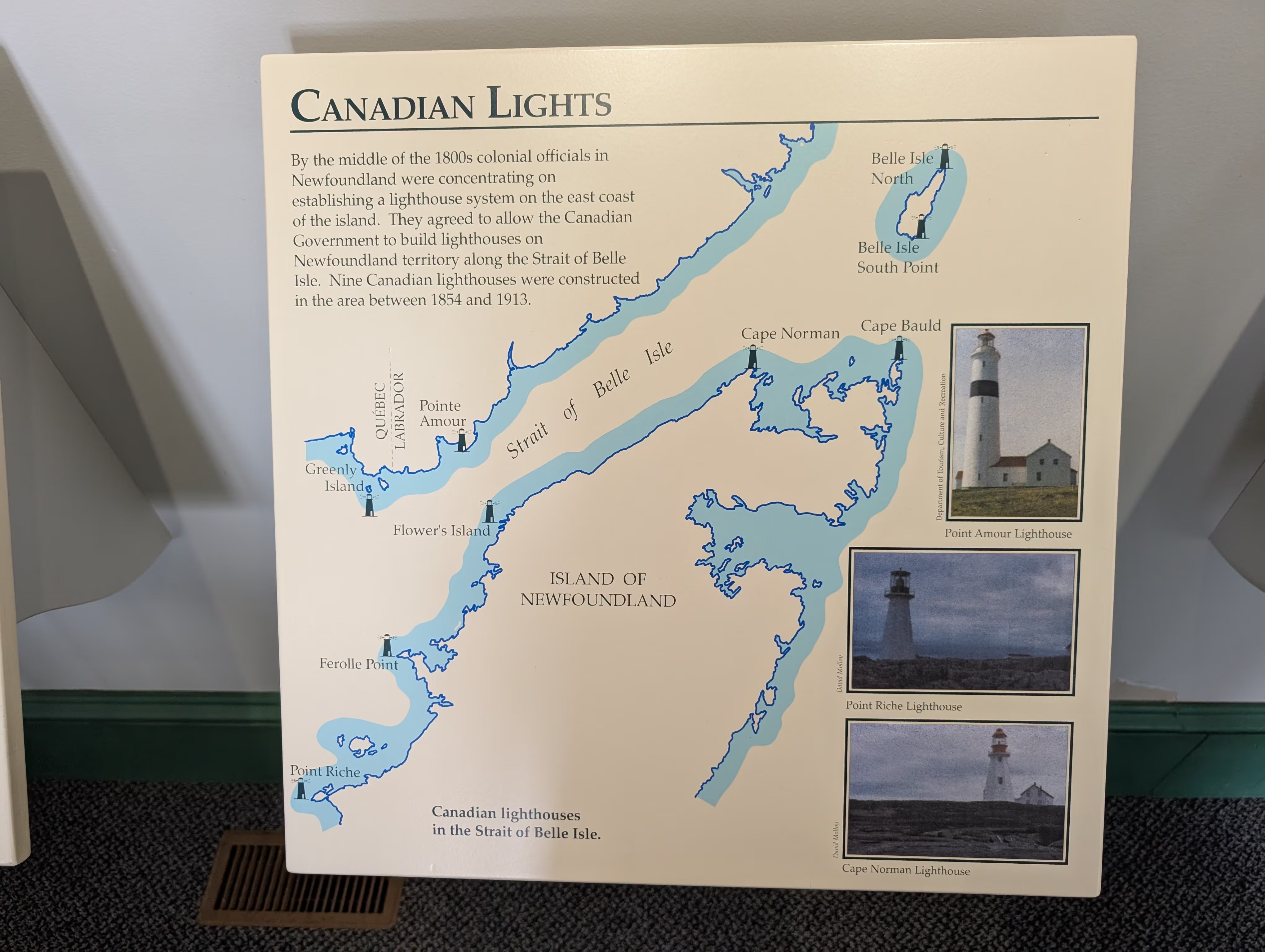
that made it safer to take the shorter a route from the Americas to Europe:
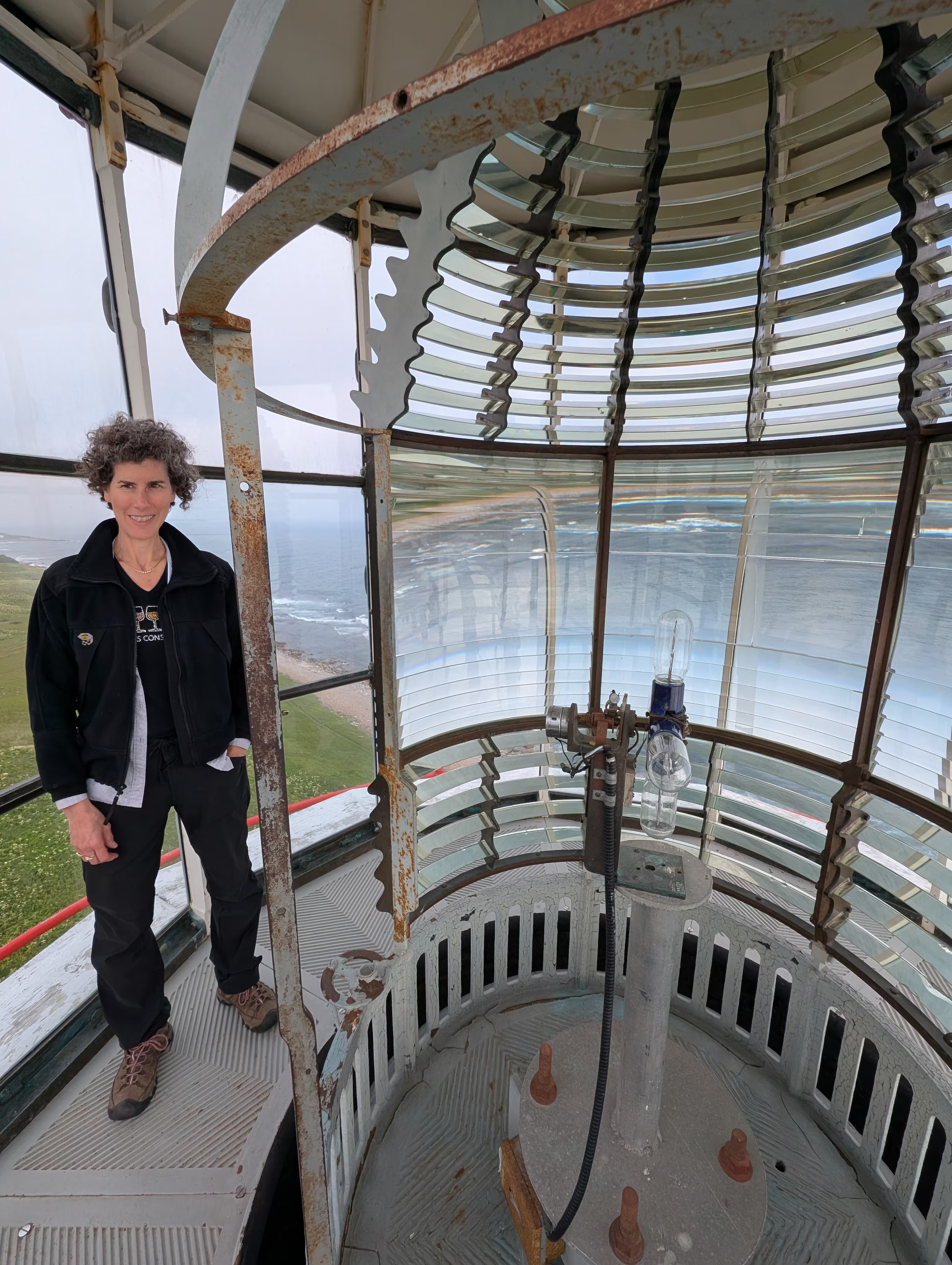
It is topped by a Fresnell lens:
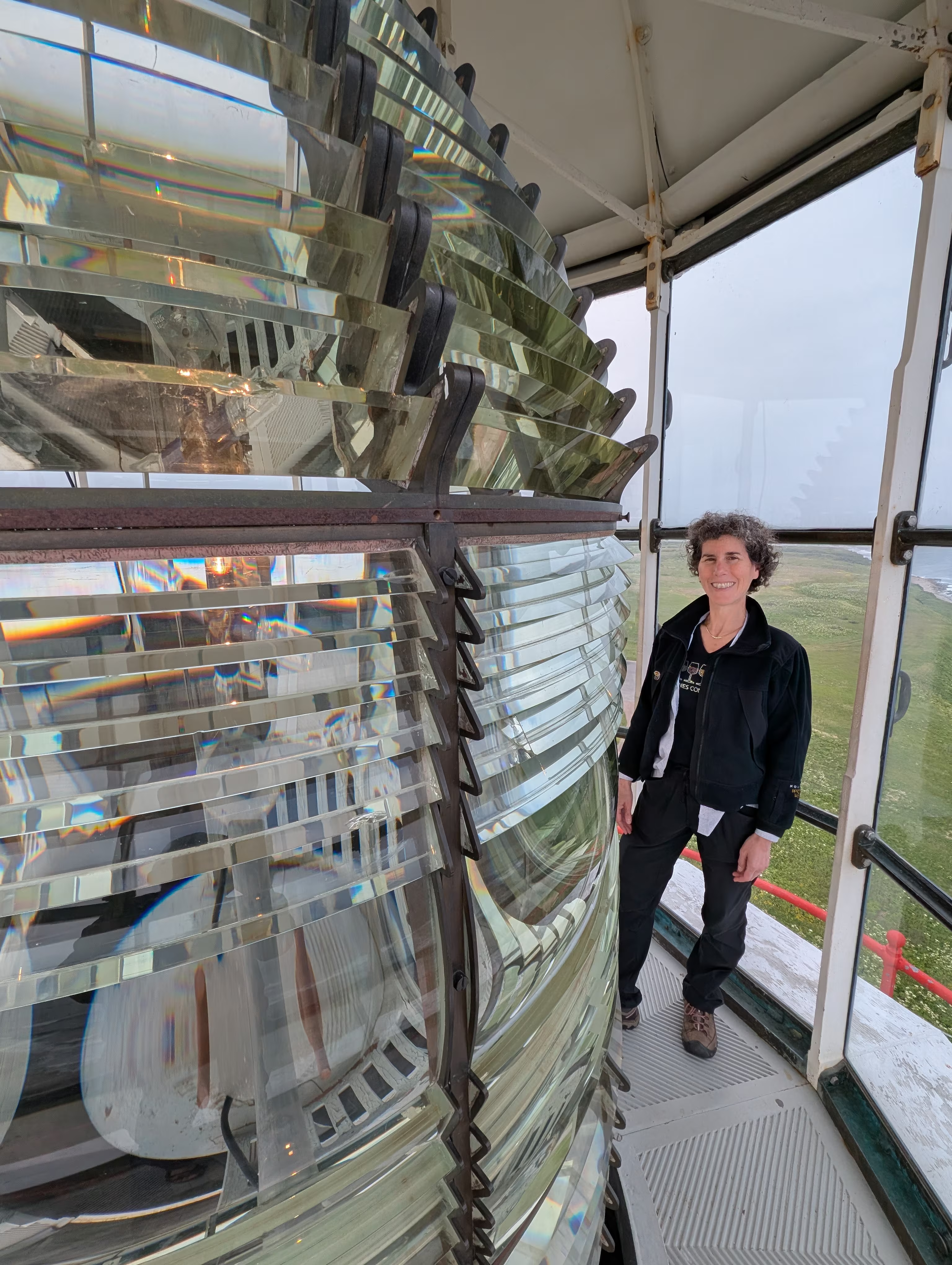
a type of lens that allows the construction of lenses of large aperture and short focal length without the mass and volume of material that would be required by a lens of conventional design:
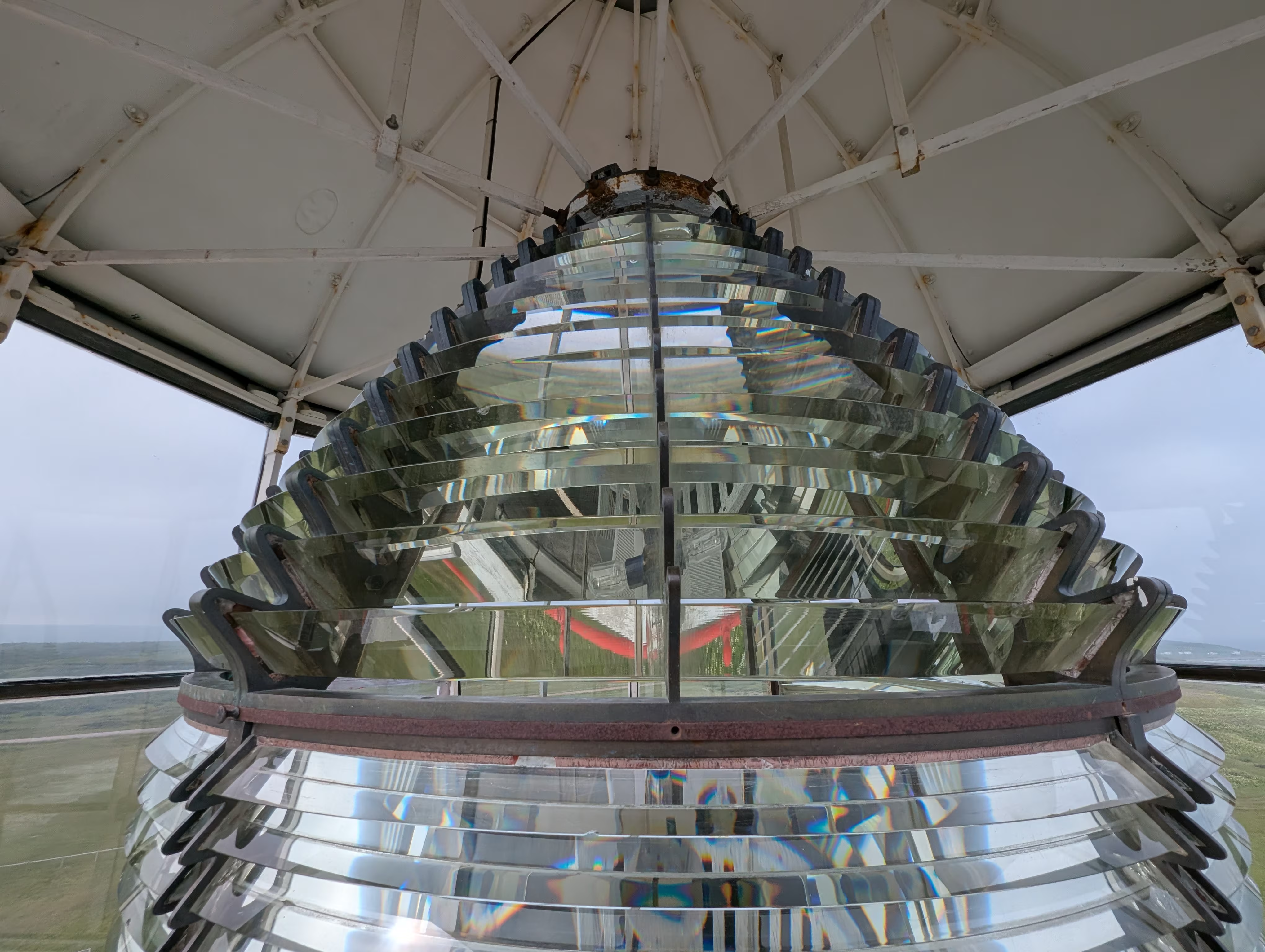
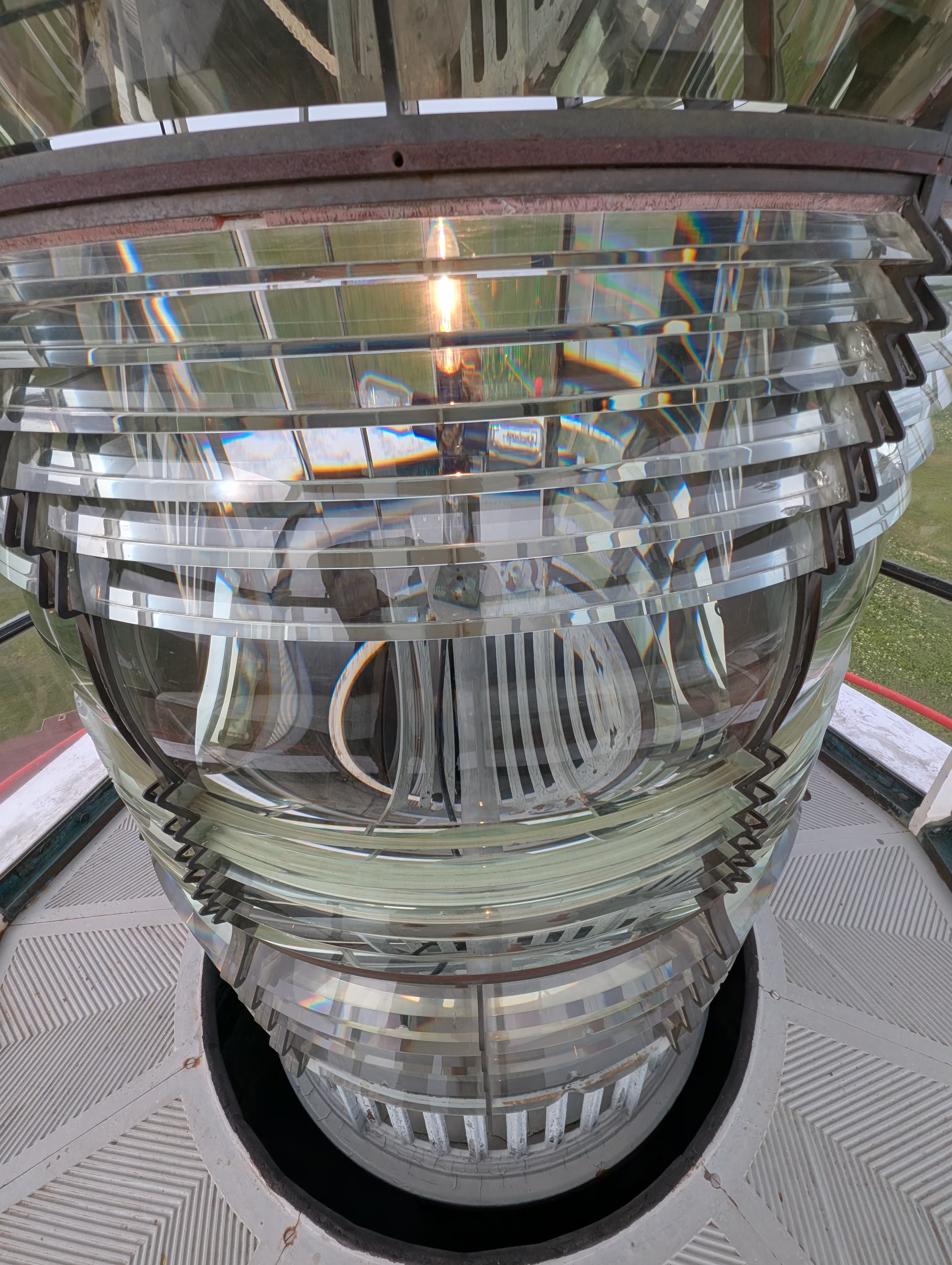
As you can see in the next two pictures, it is powered by a small low wattage light bulb:
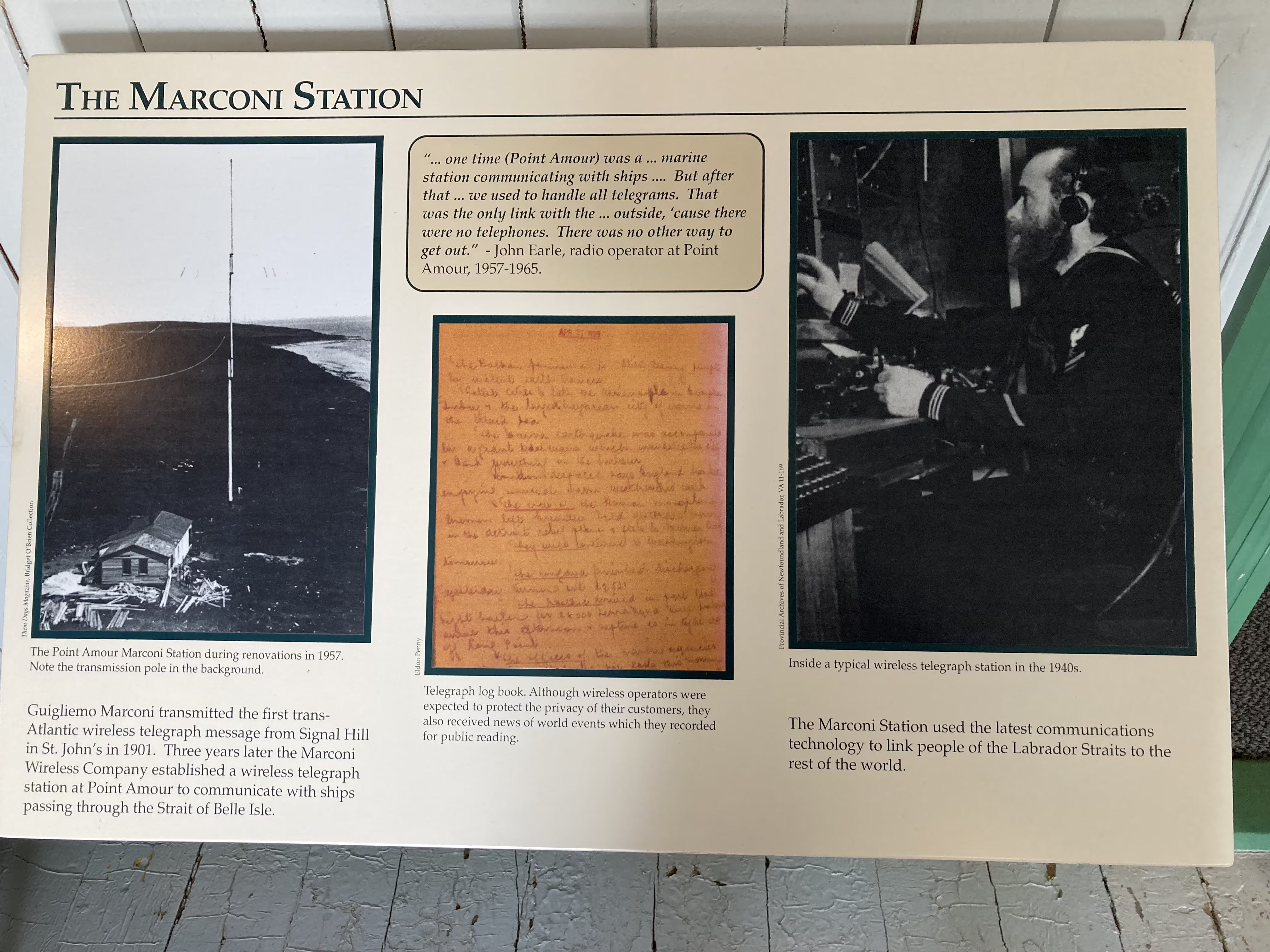
It also had a Marconi station that fed into the one at Battle Harbour:
These are our tracks for Monday, Aug 04
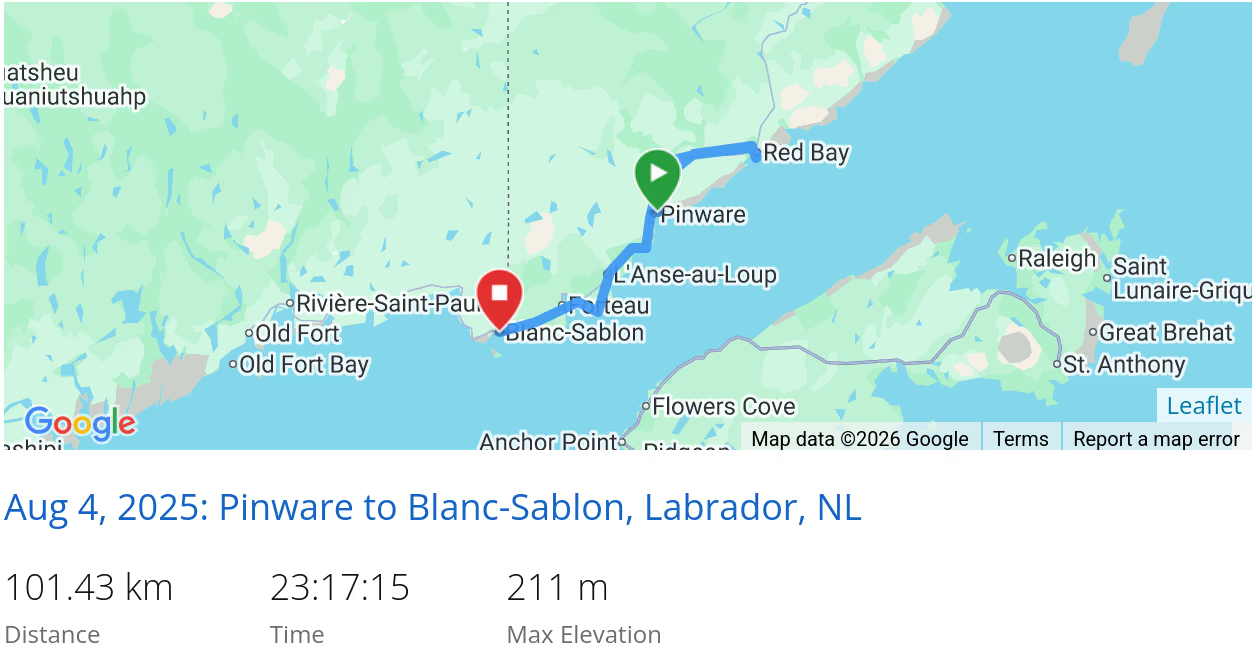 *click on the map for more details
Cote Nord, QC
I am not sure that the Lower North Shore! in Quebec is officially part of the Labrador Straits, but it sure feels like it. English seems to be the primary language and even the Newfoundland Ferry dock here.
With an extra day to spare, we decided to drive to end of the highway in this part of Cote Nord:
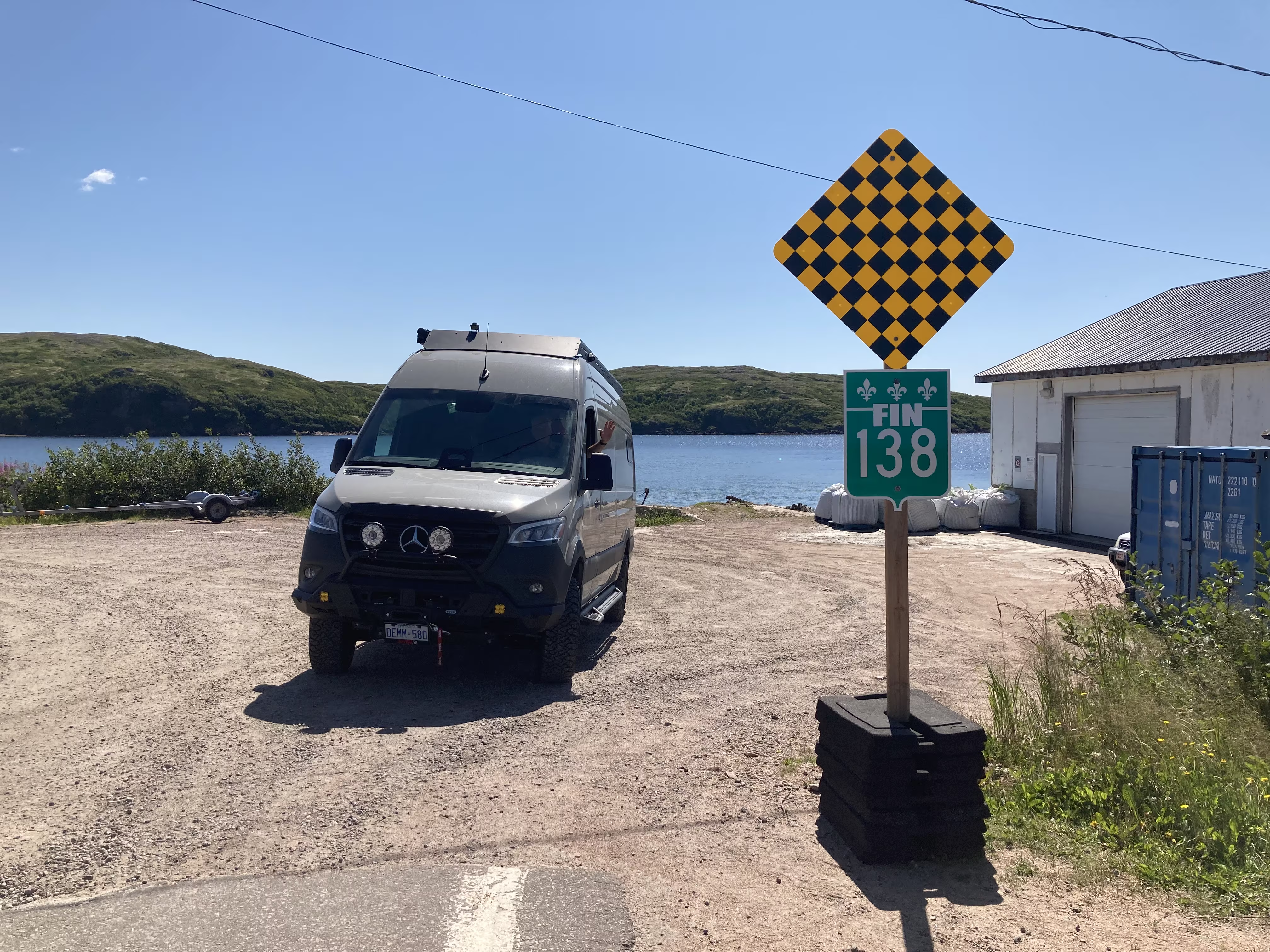
Along the way, we stopped at Brador Falls
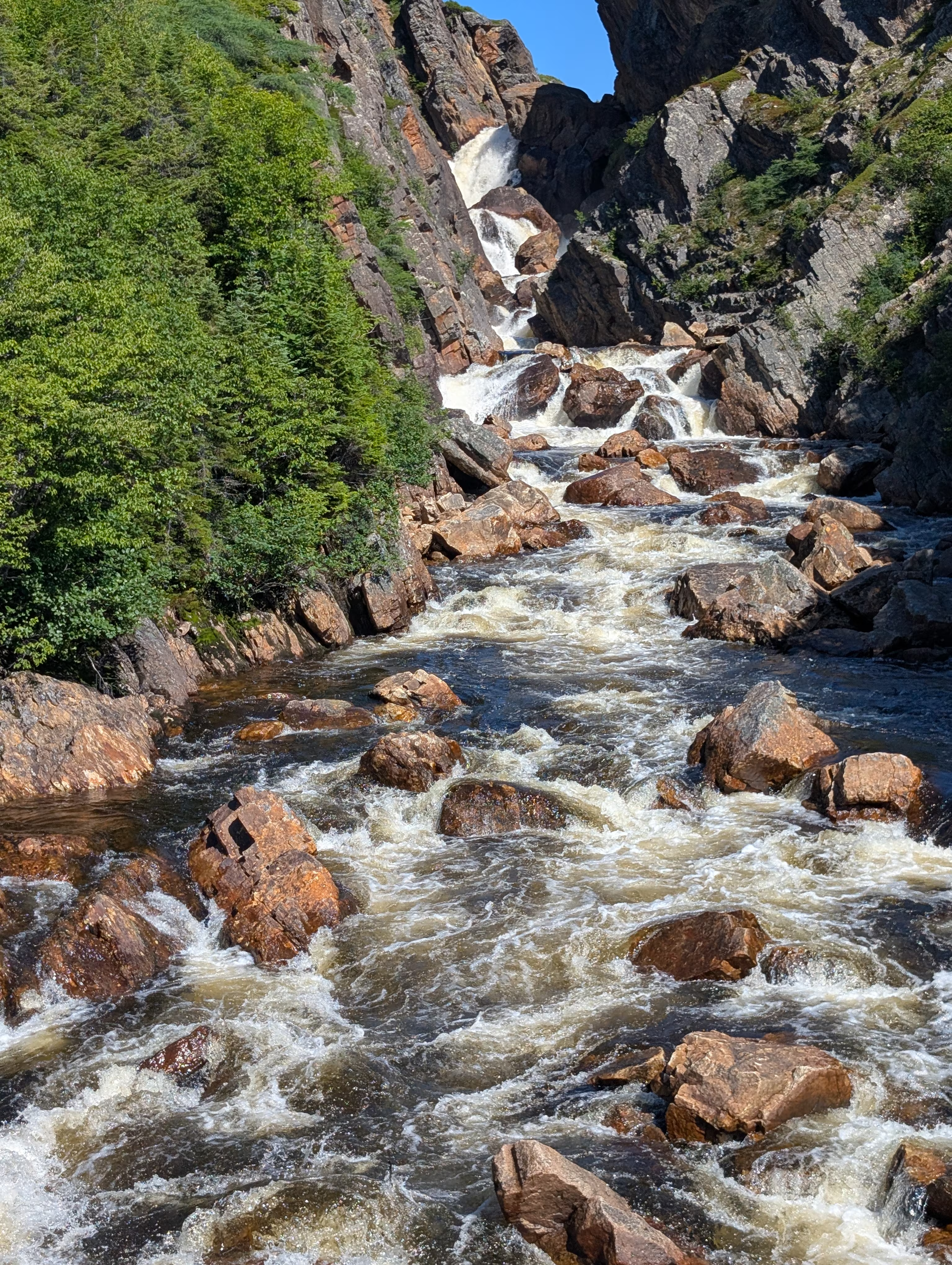
and climbed to the top of them where we got a good view of St. Paul’s River:
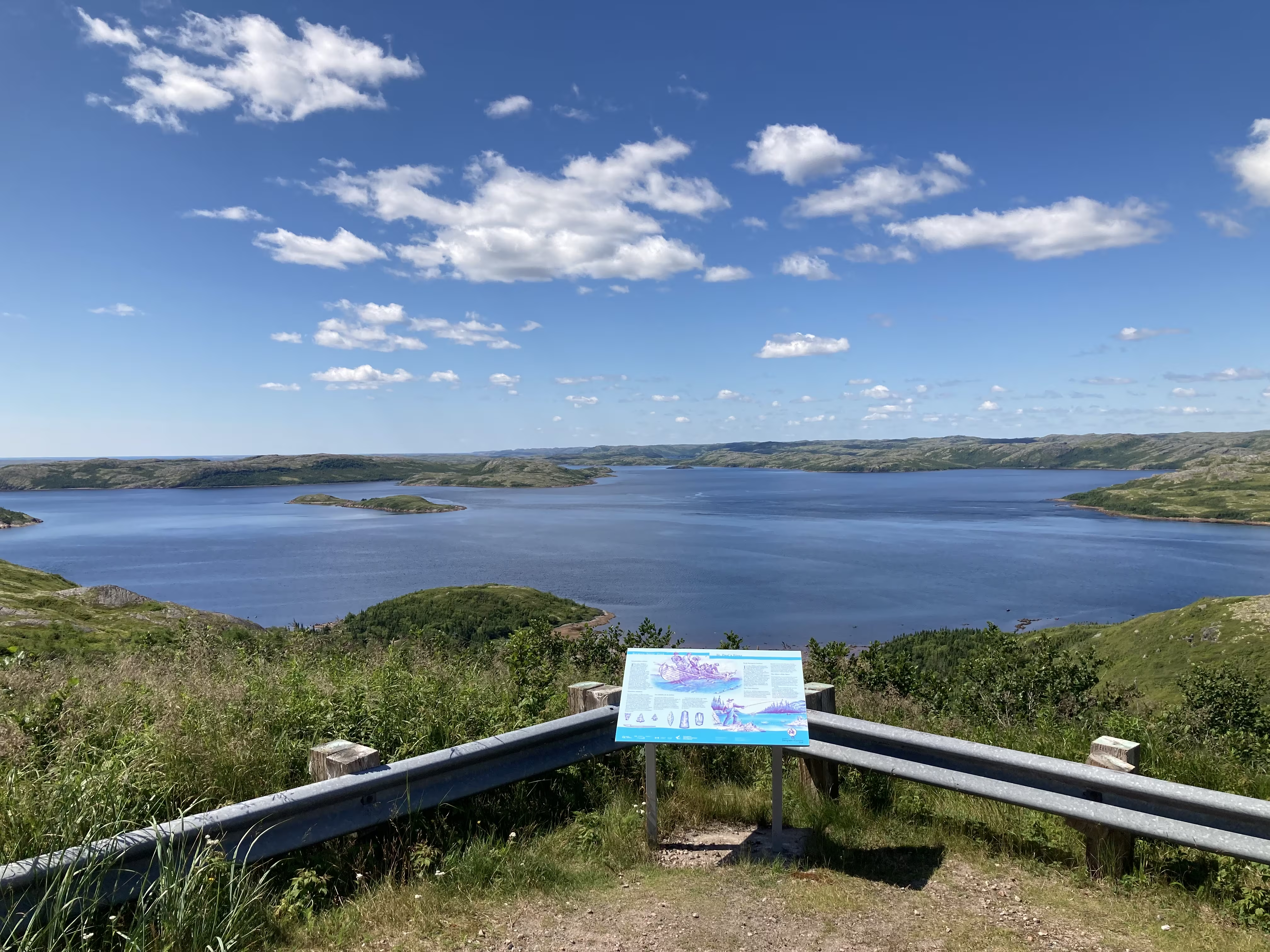
On the way back, we stopped at the Salmon Bay Farm:
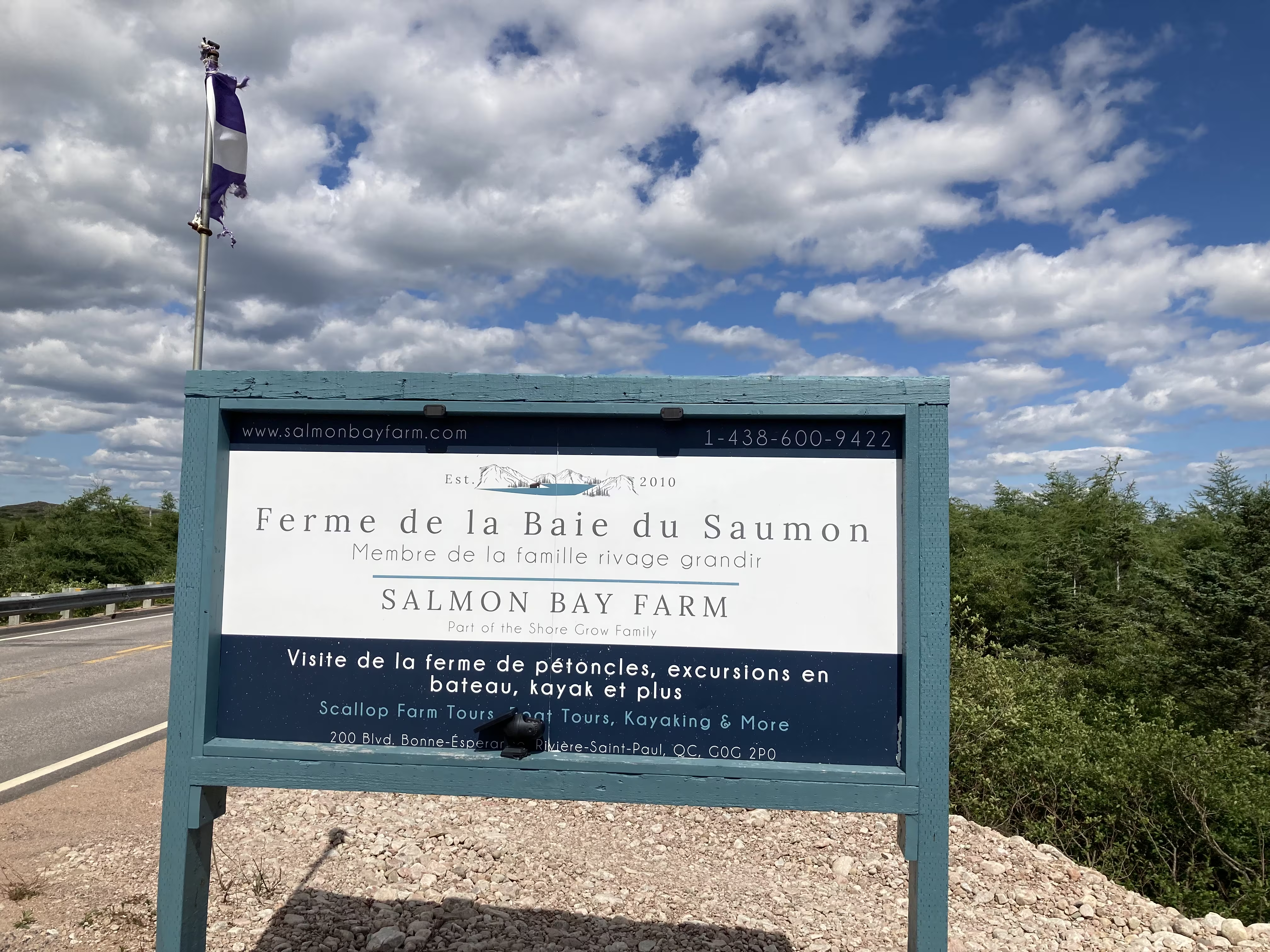
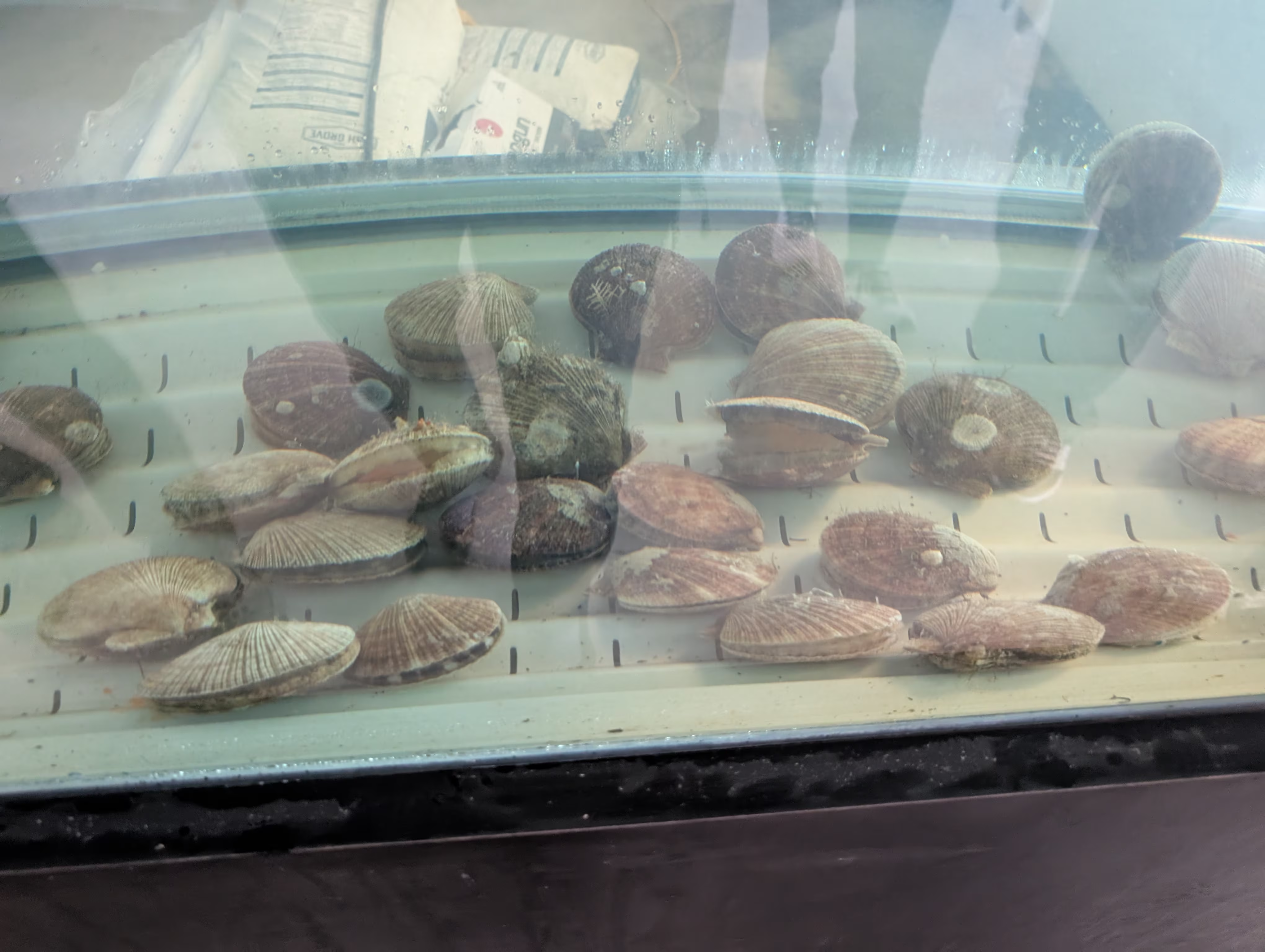
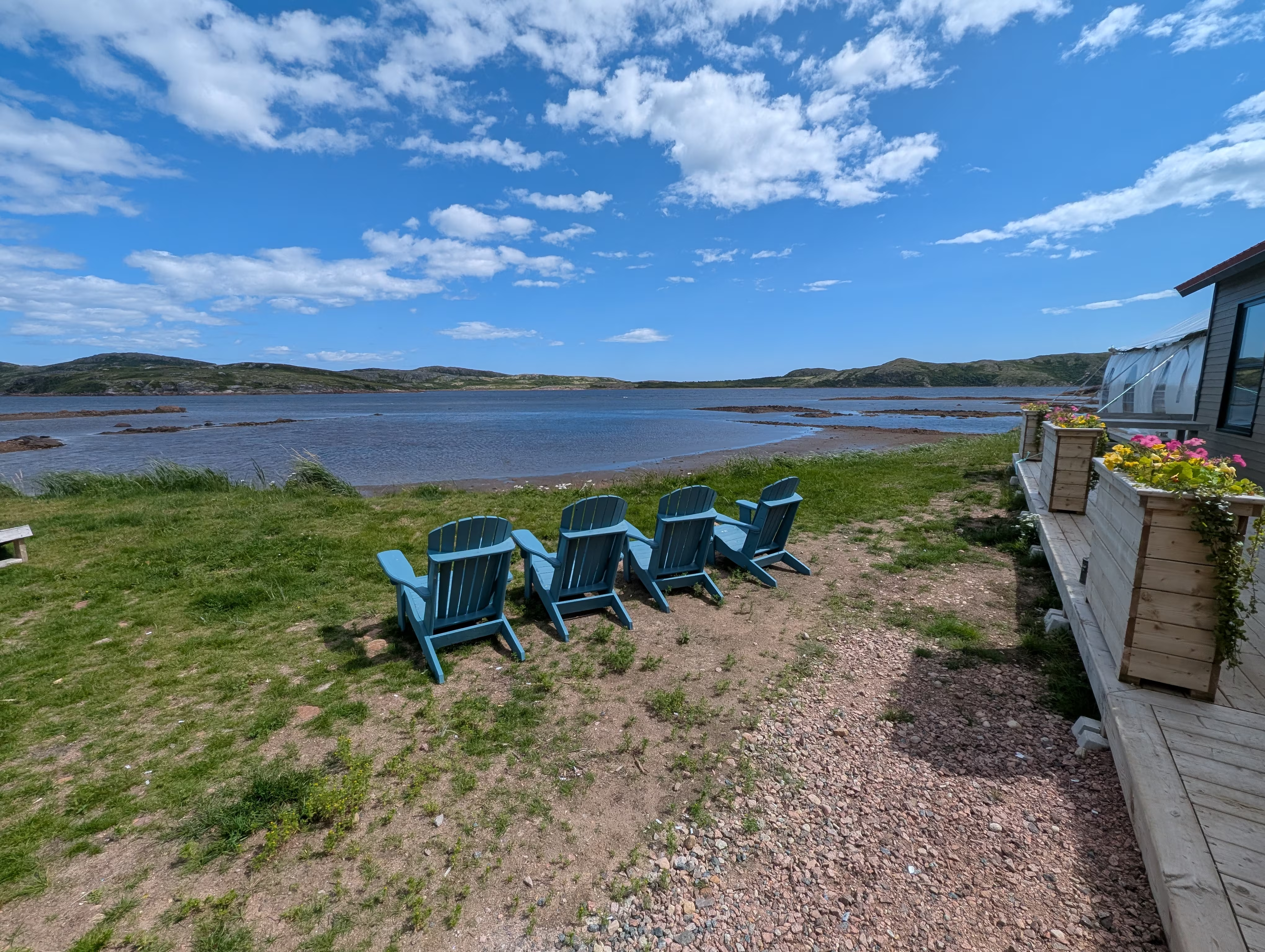
where we got a tour of their scallop farm:
OK, that is not the whole farm, this is:
What you can’t in the above picture are the cages hanging below the water:
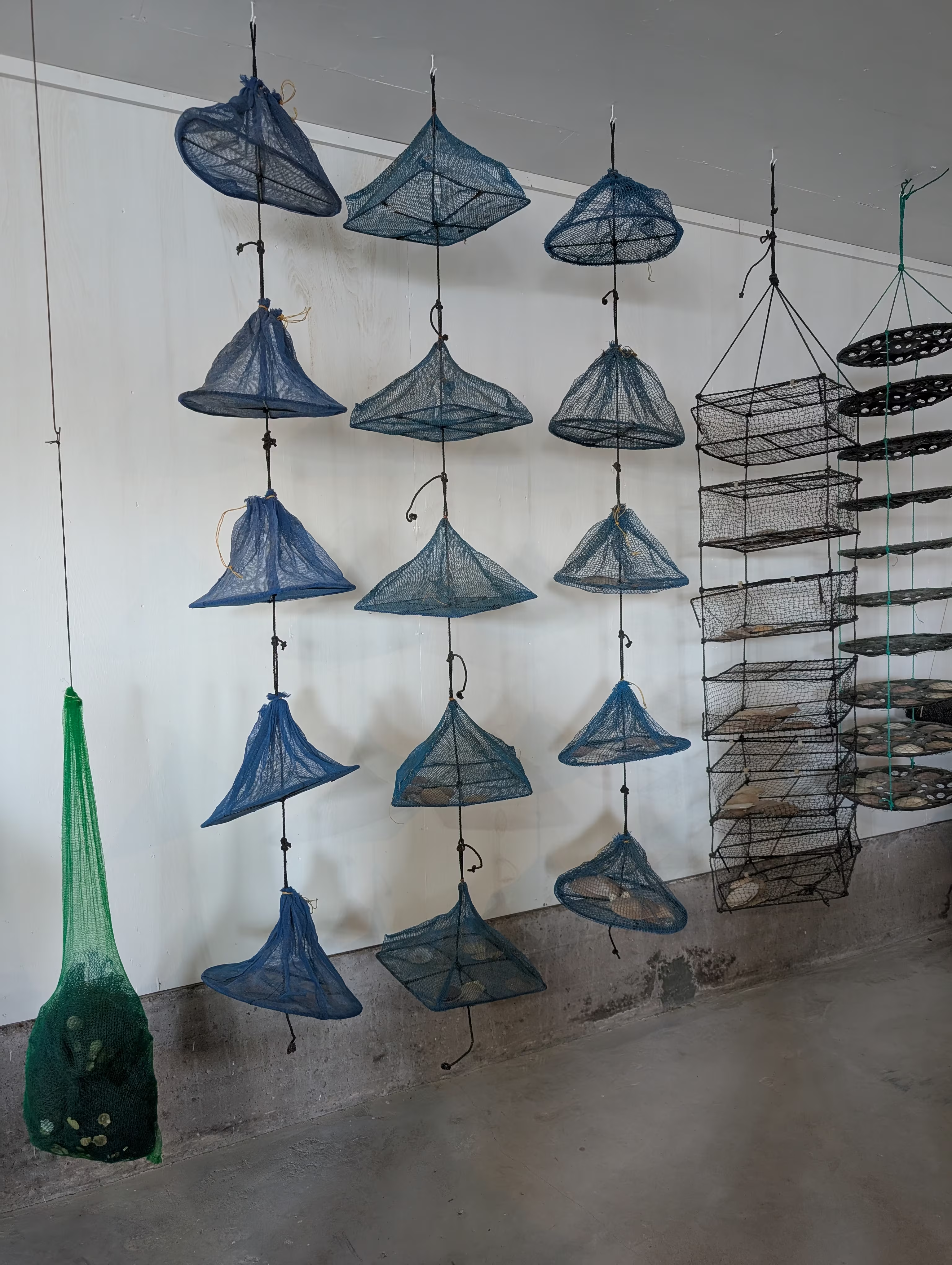
The cages at the top of hold the youngest scallops and the scallops get older as you go down the chain.
The guide explained that the optimal age for scallop production is five to six years, and it will take the Salmon Farm about another two years to produce enough scallops of this age to take to market.
Next the guide took some scallops out of the tank and put them on the top of the tank to show them opening and closing, which you can seen in the video of Henry’s scallop opening and closing, the video of Gail trying to get “bit” by Henry’s scallop, and the video of Henry proudly holding his scallop while it opens and closes .
Each of us on the tour got to pick our own scallop from the tank and we got to eat it raw:
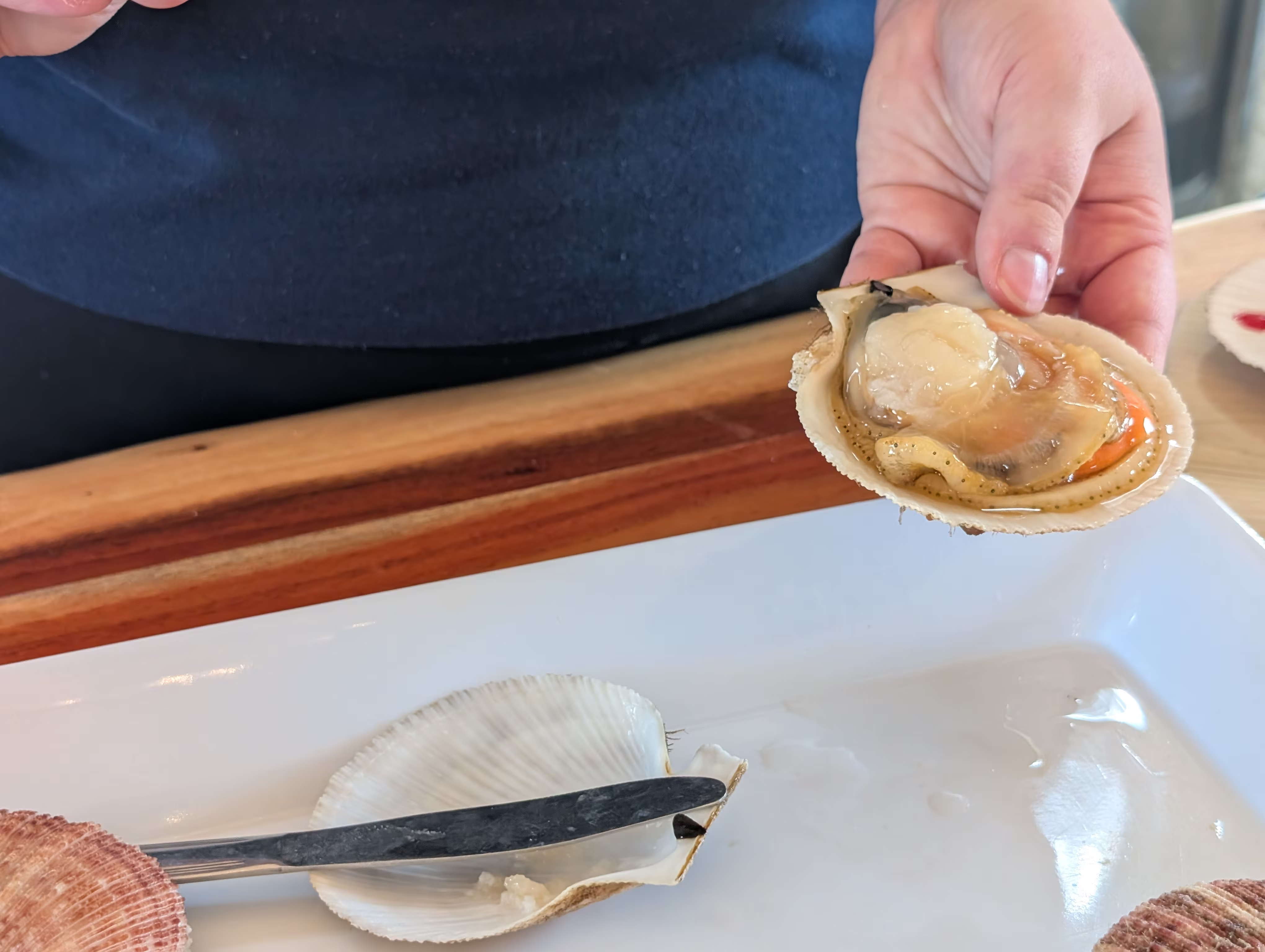
This scallop is four years old (you can from the size) and is female, which you can tell from the orange egg sack under the lip.
We also had perfectly cooked scallops to compare to the raw, along with mini Patridgeberry (also known as Lingonberry) and Bakeapple (also know as Cloud Berry) tarts:
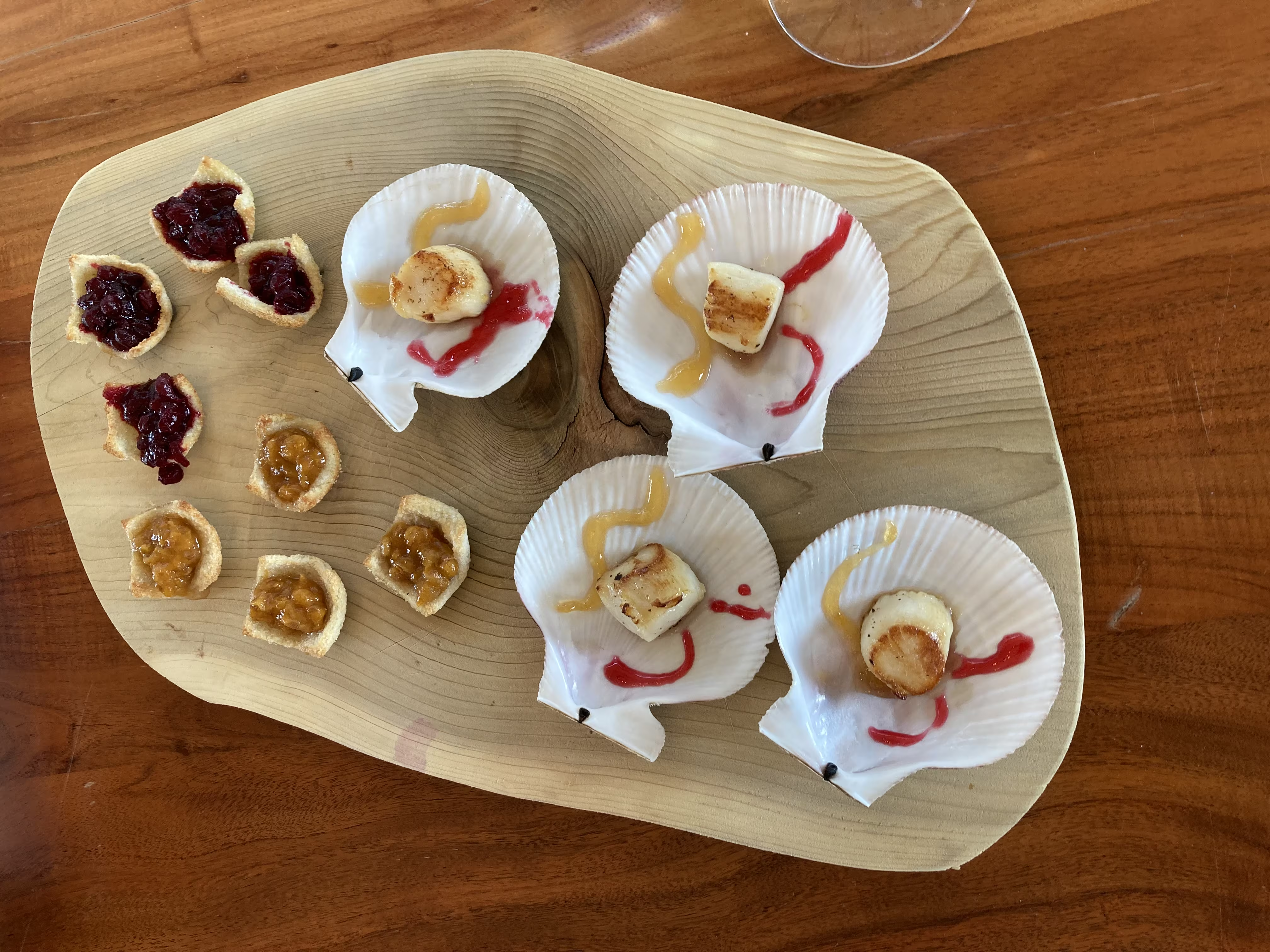
which we enjoyed with other members of the tour:
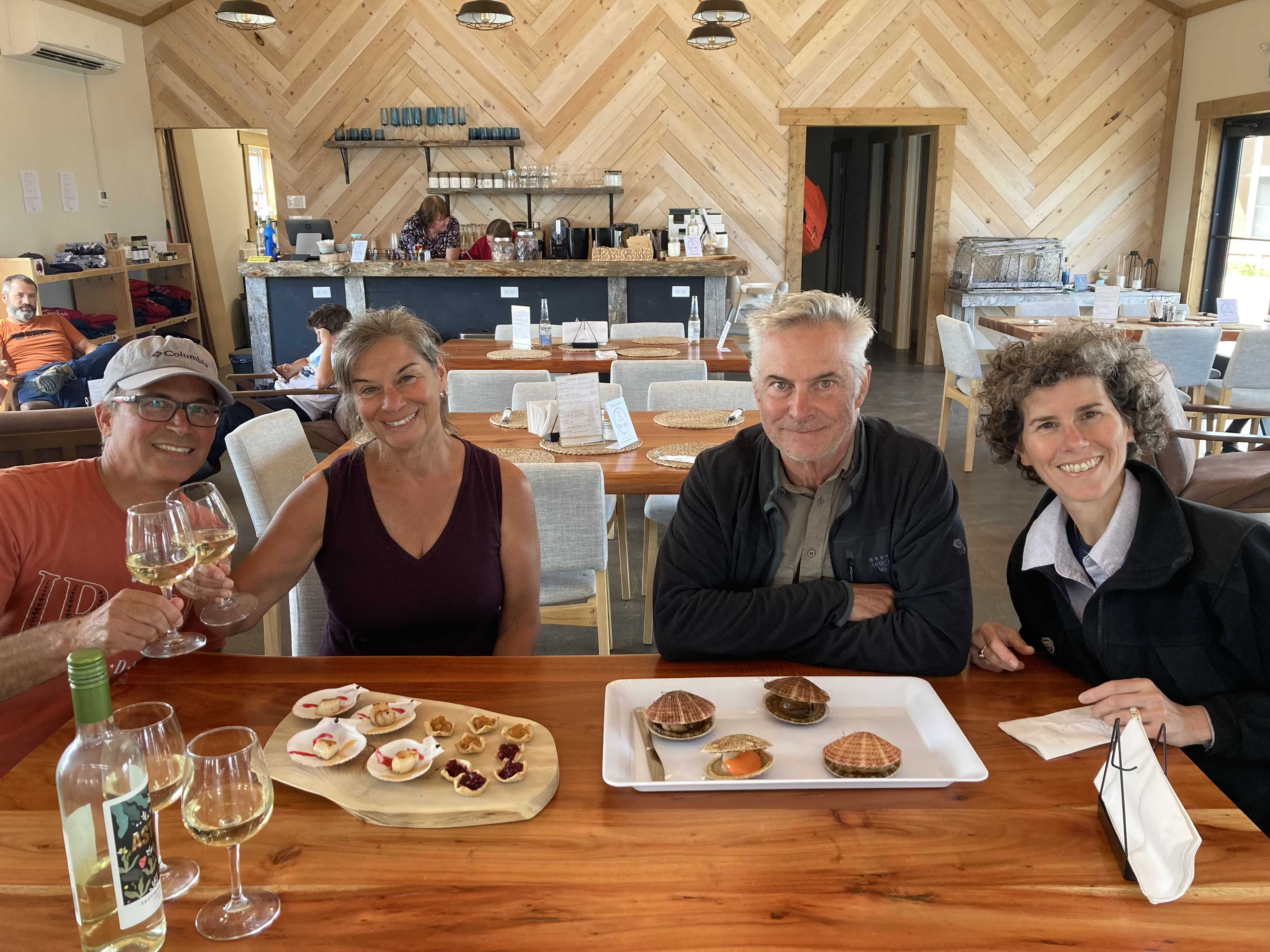
These were the best scallops we have ever had and definitely would come back.
These are our tracks for Tuesday, Aug 05
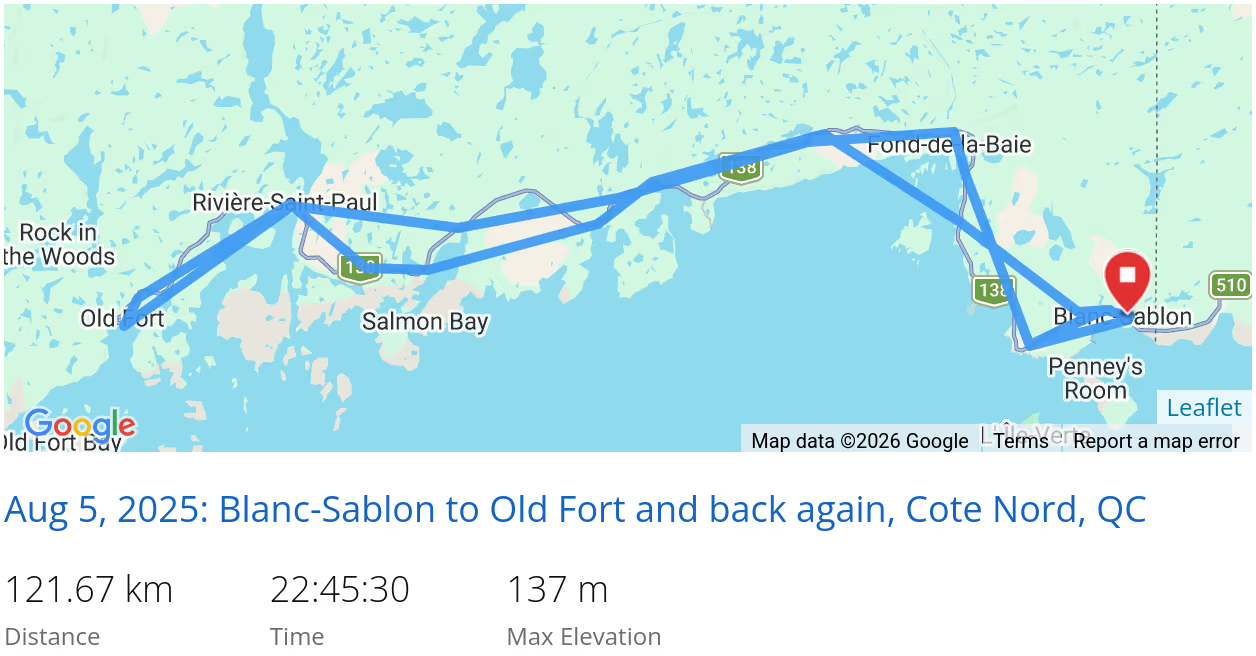 *click on the map for more details
Blanc Sablon
The two nights we spent in Blanck Sablon were at the Parc Goodchild:
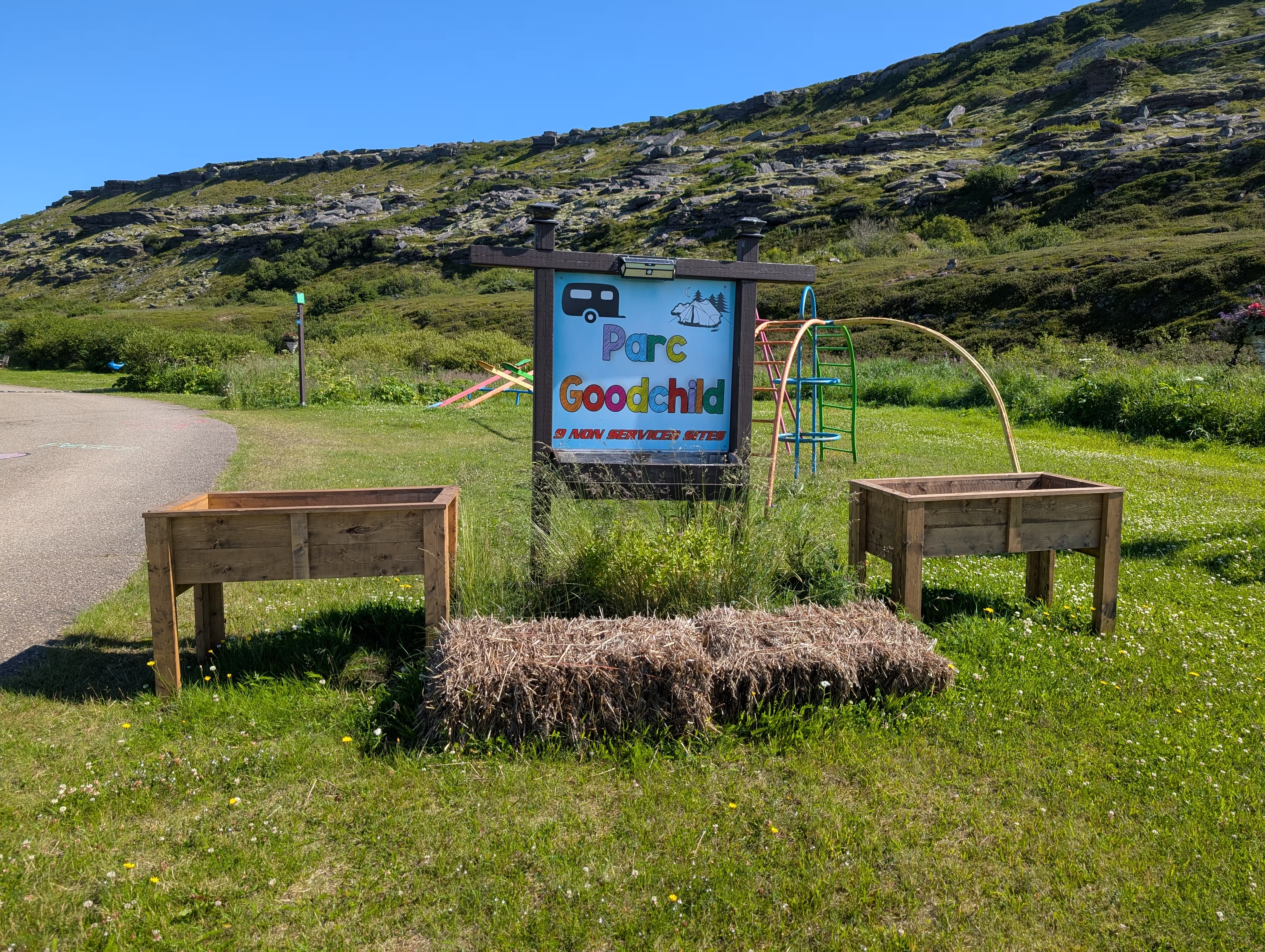
a wonderful kids park:
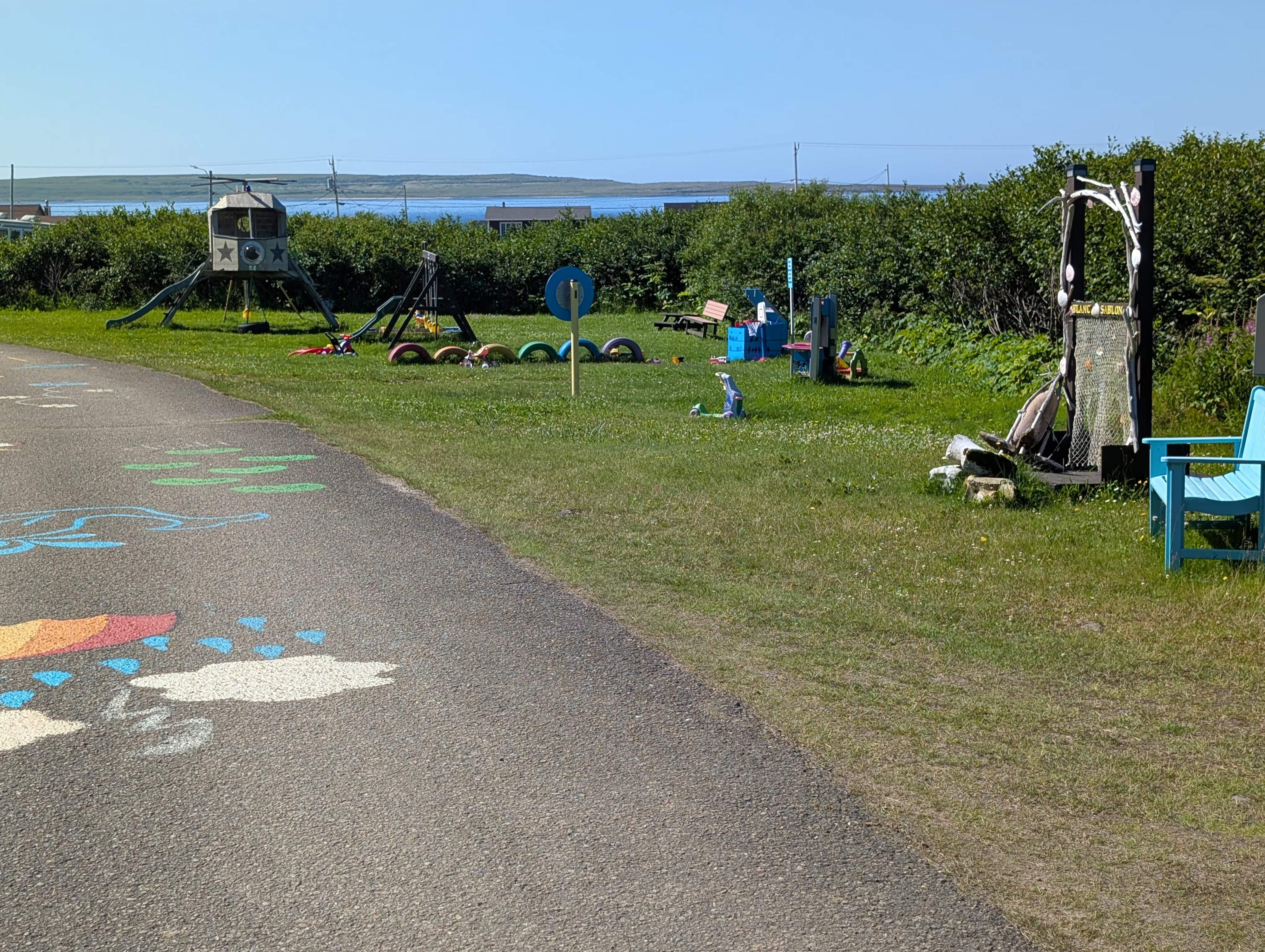
that has beatiful free overnight camping:
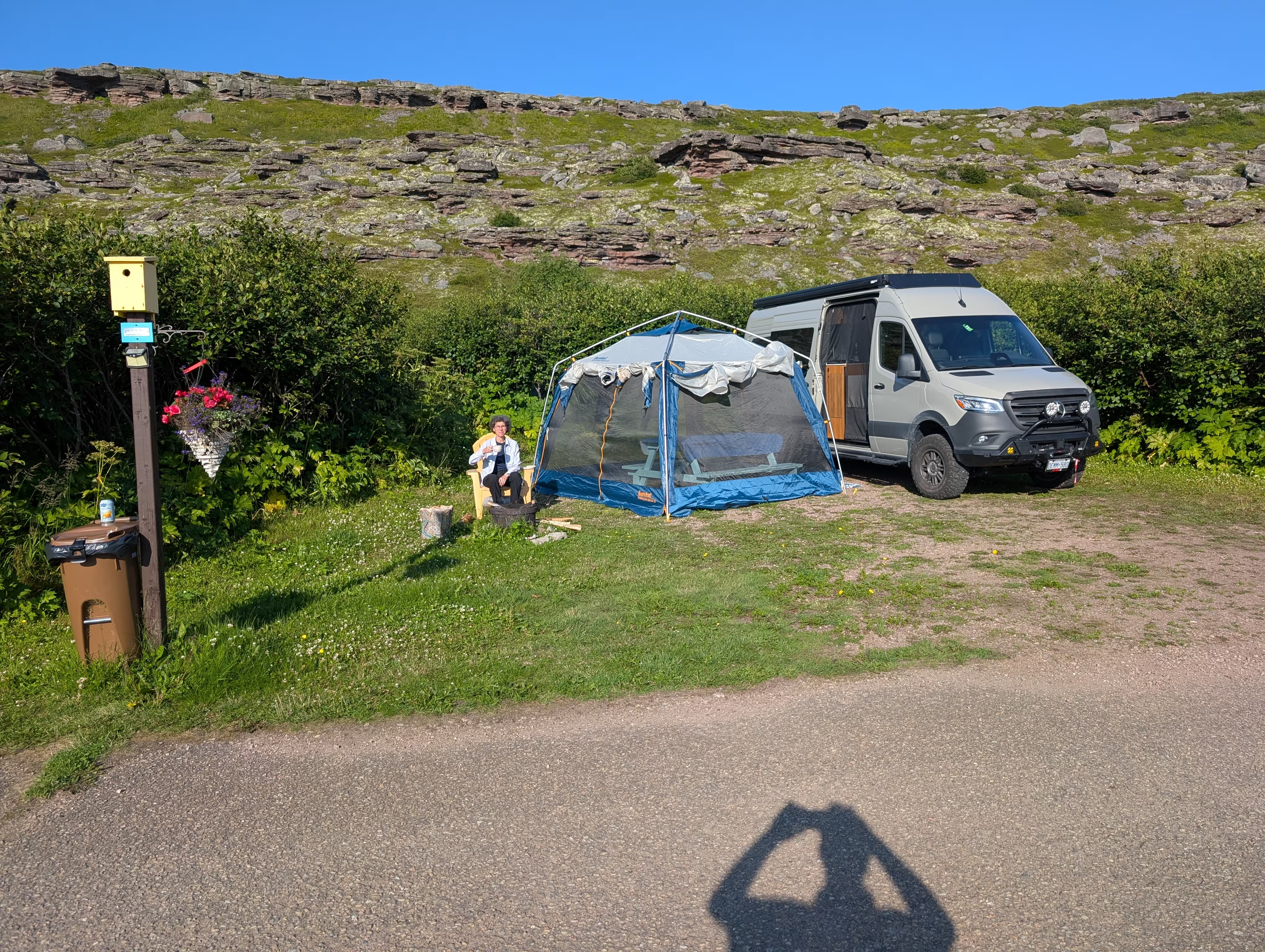
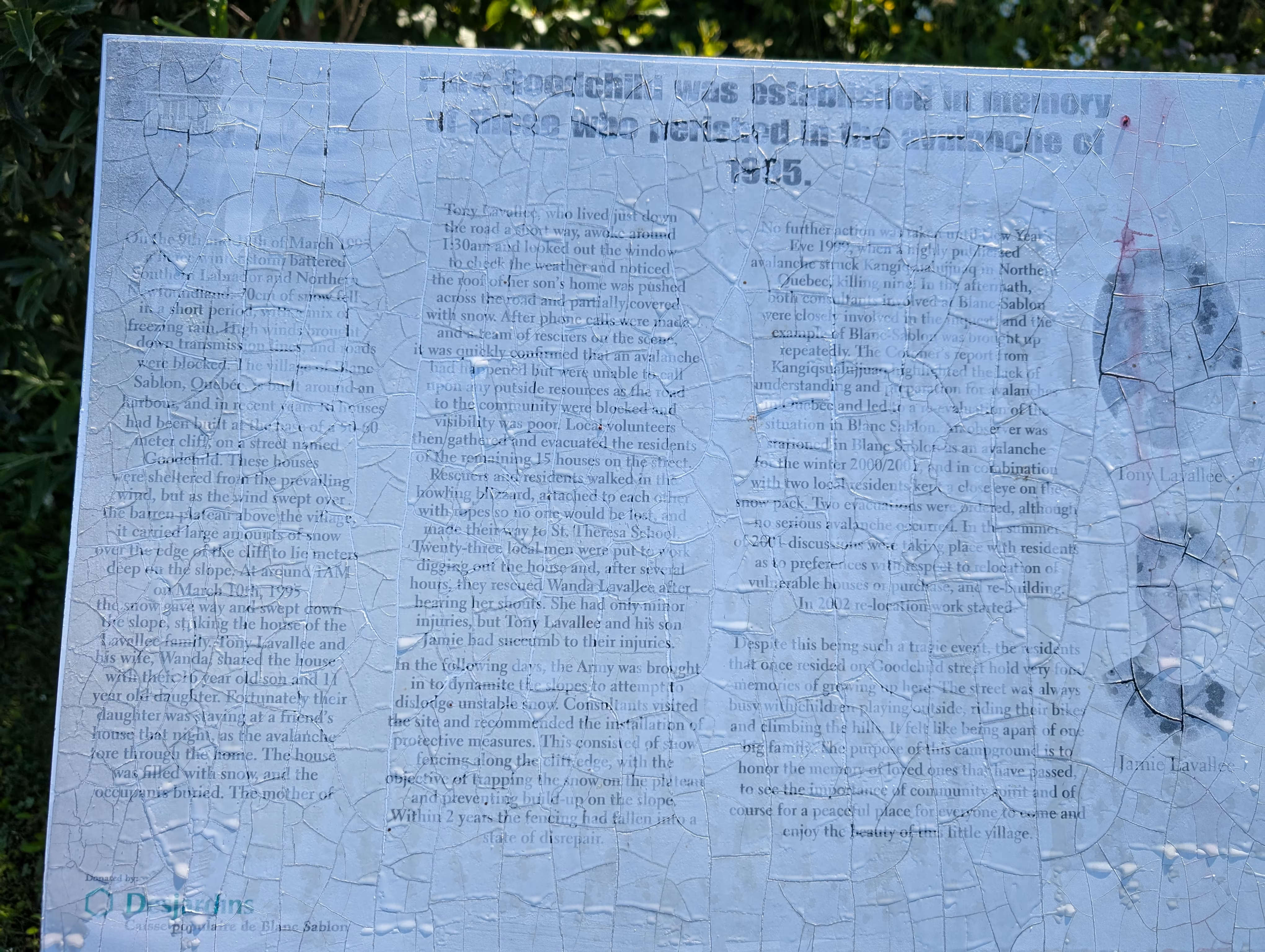
Unfortunately, the park is dedicated to a couple of young snowboarders who lost their lives in an avalanche on the bluff overlooking our camper:
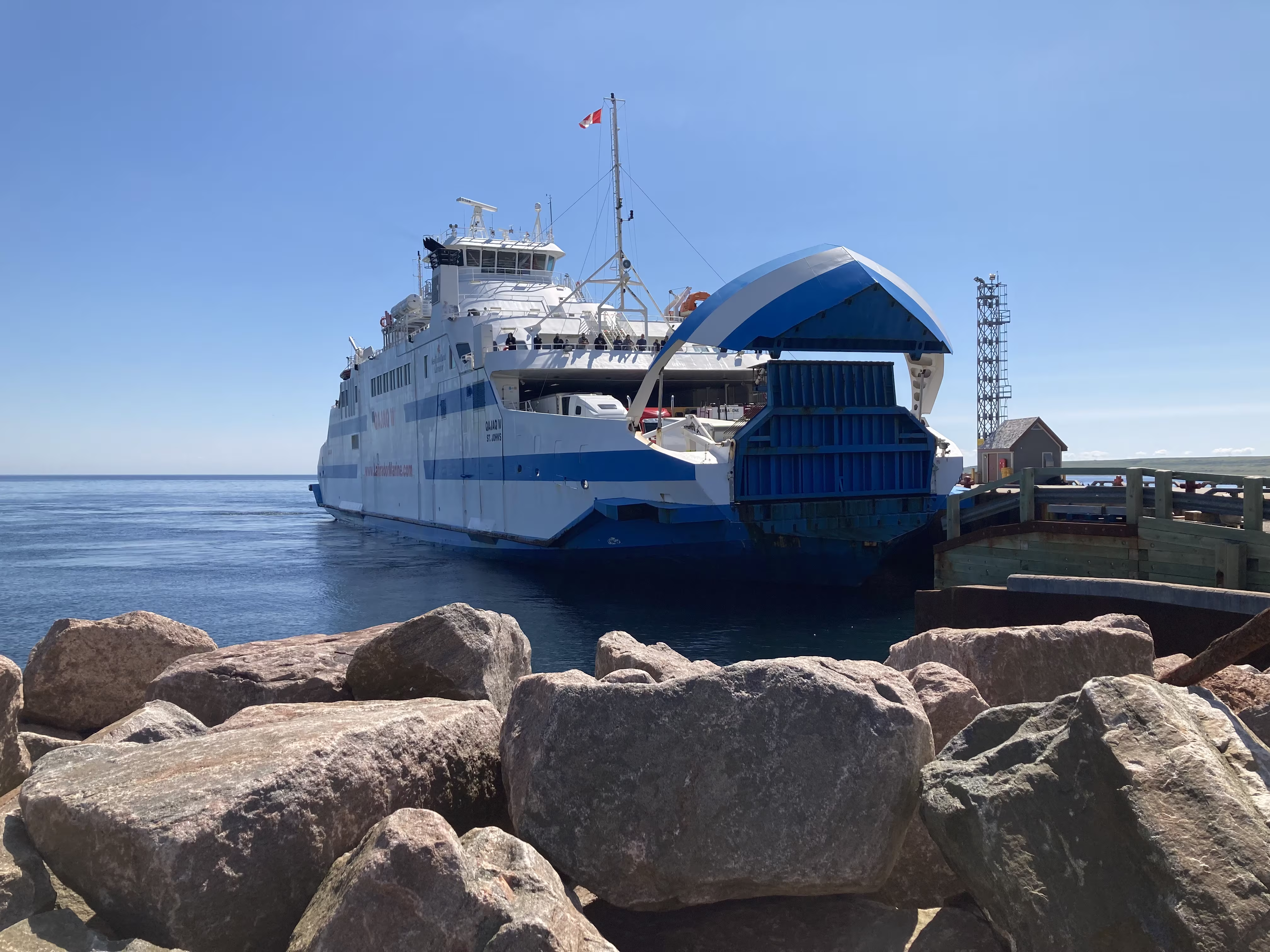
On Wednesday, after over 4,000 km of travel, we finally boarded the ferry to Newfoundland:
That’s it for Labrador Straits
Next we are off to Western Newfoundland (North).
In case you had missed it, we came from Southeast Coast (Labrador).
When we are travelling, our current location is always available and updated every 10 minutes